Plot no. 14 & 15, Block "J" Swahili Street, Arusha, Tanzania.
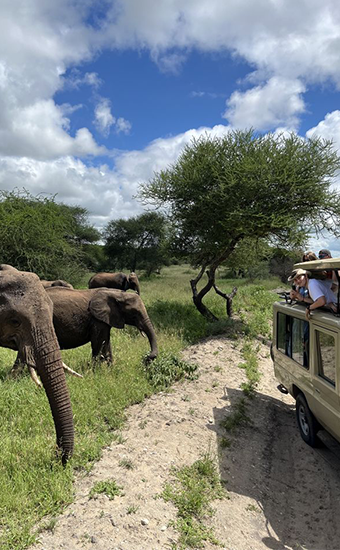
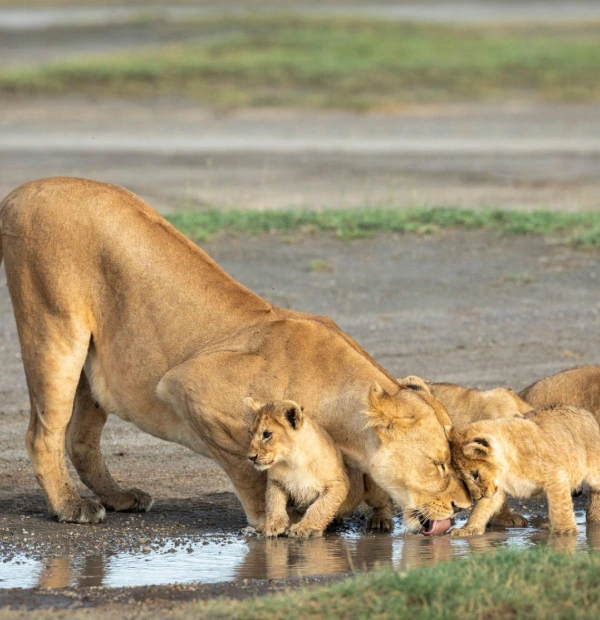
On your Tanzania wildlife safari, you have the once-in-a-lifetime opportunity to witness the Big Five. Witness lions, elephants, rhinos, leopards, and buffalo in action in their natural habitats. Watch these herbivores and carnivores, the key focus of your Tanzania wildlife safari. June to October are the best times to view the wilds congregating around the water sources.
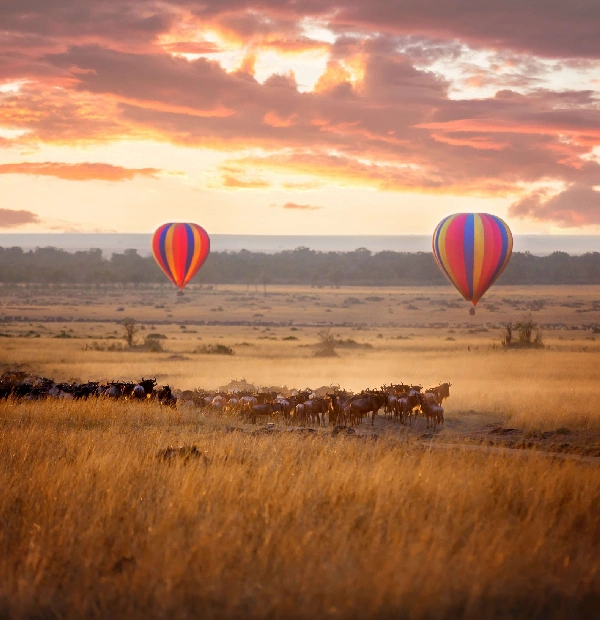
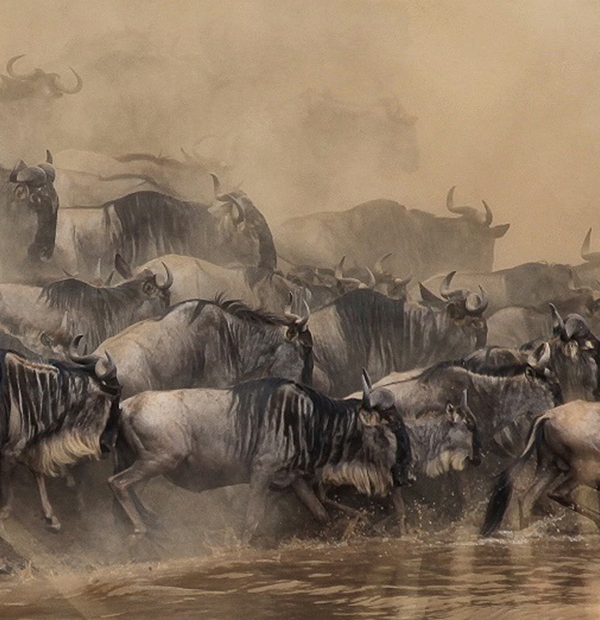
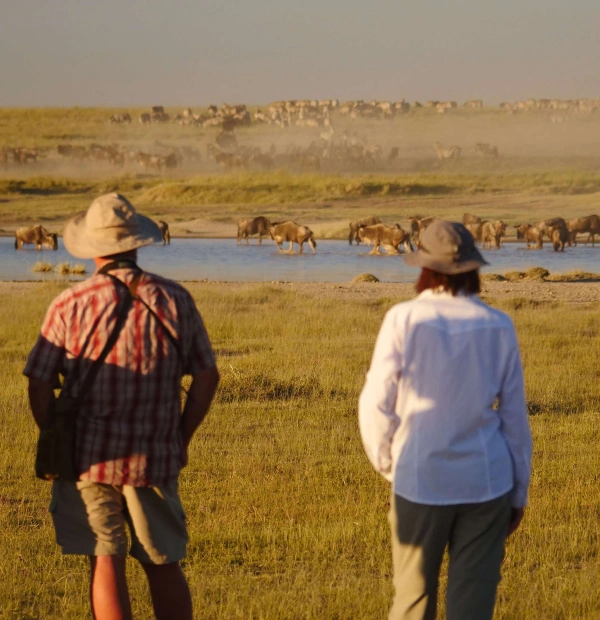
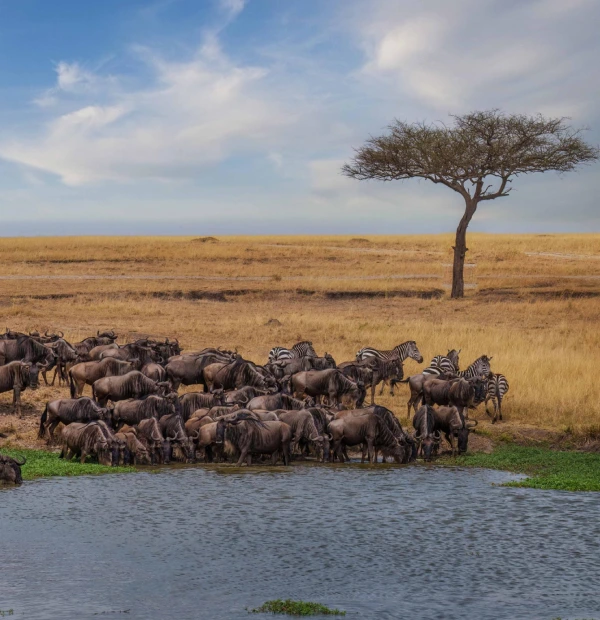
The Serengeti migration is one of the wonders of the planet, as wildebeests migrate north, crossing the Mara River during the dry season (June to October). The migration is a year-round journey, and you can spot the herds at different points at different seasons. Witness millions of wildebeest and zebras crossing vast plains yearly.
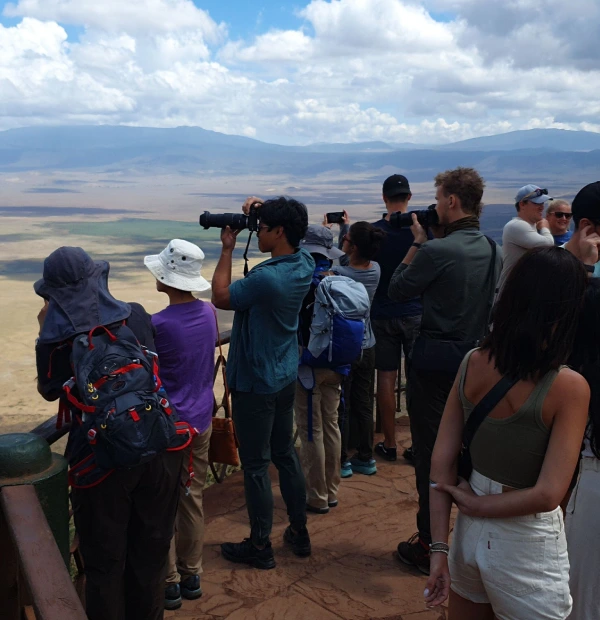
Ngorongoro Crater, often called the “Eden of Africa,” is a must-visit safari destination. Located in the heart of Tanzania’s northern safari circuit, the UNESCO World Heritage site is the world’s largest intact volcanic caldera. The crater is home to an abundance of wildlife, including the Big Five – lions, elephants, buffalo, leopards, and rhinos.
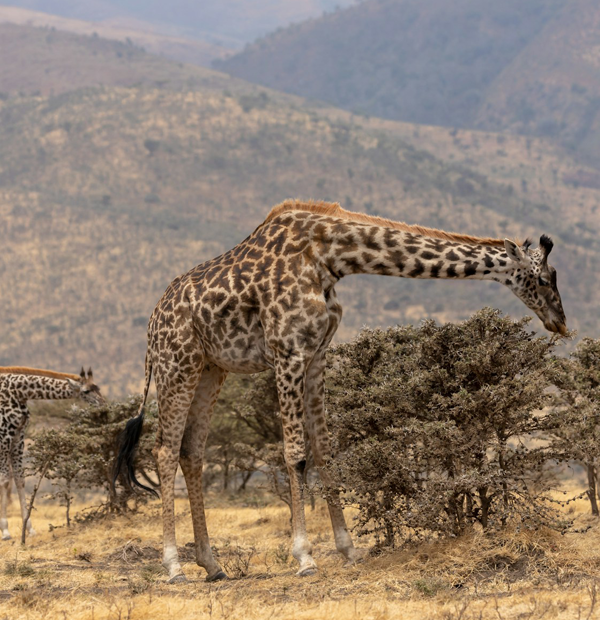
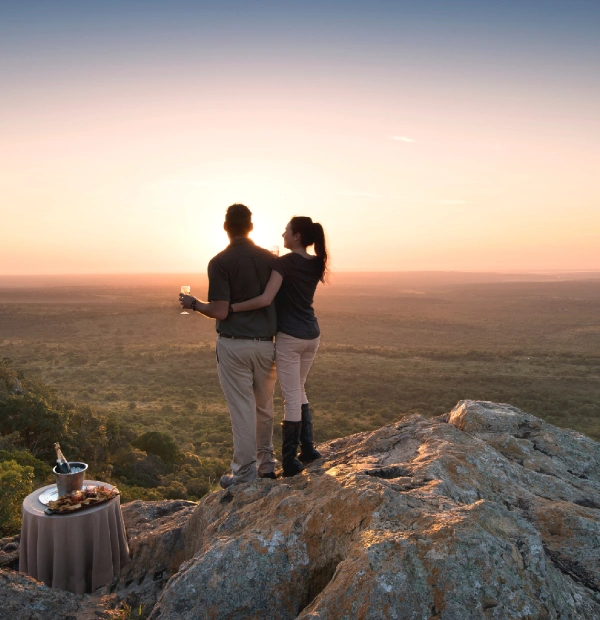
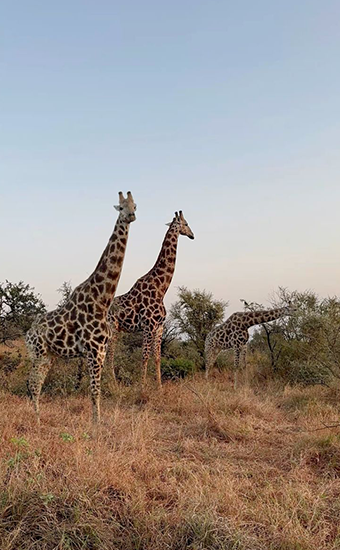
The spectacular sunsets on Tanzania safaris offer a mesmeric visual experience. Travellers often enjoy sunset views from the plains of the Serengeti and other national parks. Enjoy breathtaking, colourful sunsets on golden grasslands every evening. As the sun sets, you can spot Africa’s wildlife, including zebras and Giraffes grazing over the vast savannahs.
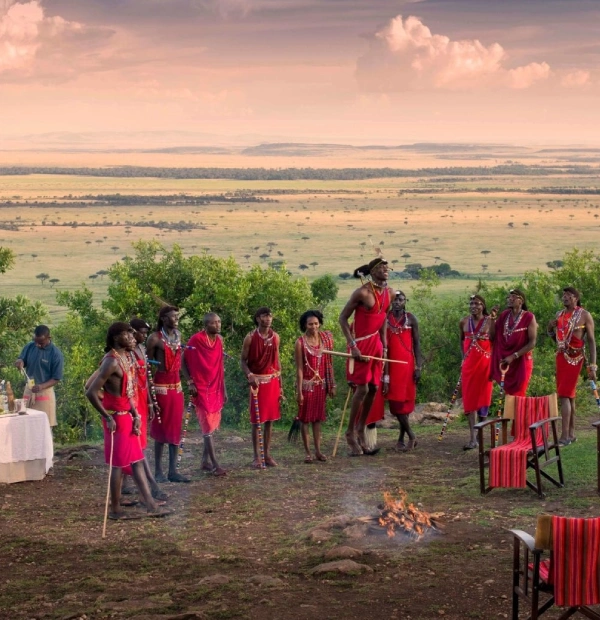
On your cultural tours to Maasai villages (bomas), see and learn about the Maasai culture and traditions. Meet Maasai warriors and learn traditional customs and vibrant dances. The Maasais have their spiritual belief in the God Engai. Enjoy the hospitality of one of Tanzania’s oldest tribes. The guide helps you interact with the Maasai through interpretation.
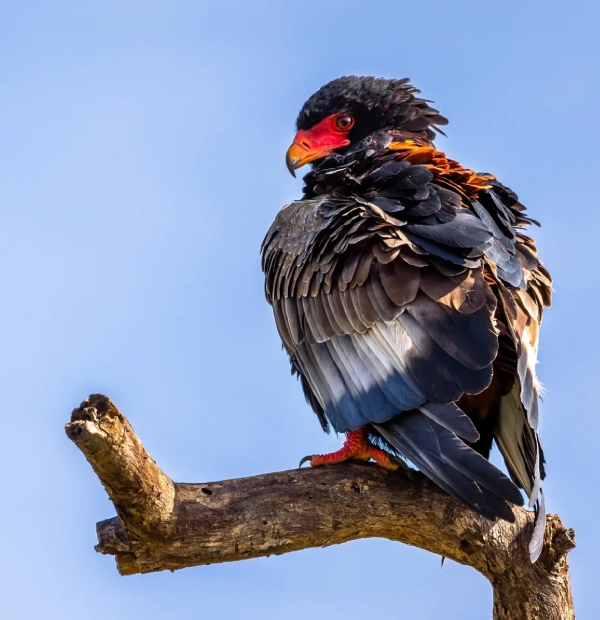
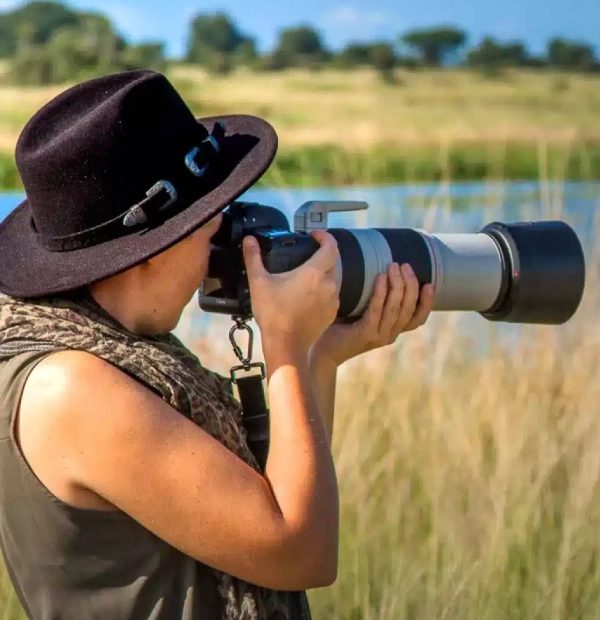
You can spot hundreds of exotic and native bird species, including flamingos and ostriches, across diverse ecosystems throughout Tanzania. Bird watching is an extraordinary attraction of your Tanzania safari tour throughout the year, depending on the time and region. Some of the best places to spot birds include Serengeti National Park, Ngorongoro Crater, Lake Manyara, and the Usambara Mountains, among others.
More questions?
Have questions about Kilimanjaro National Park? We’ve got you covered with all
the answers you need to plan your perfect trip.
The Lemosho Route typically takes 7 to 8 days, depending on your chosen itinerary. We recommend the longer option for better acclimatisation and higher summit success rates.
No technical climbing skills are required. However, a reasonable level of fitness is essential. The trek involves long days of hiking at high altitudes, so preparation and training are crucial.
The best times are during the dry seasons:
* Late December to early March
*Mid-June to late October
These periods offer the most stable weather and best visibility.
The Lemosho Route is considered moderate to challenging, but it's one of the best for acclimatisation due to its longer duration and gradual ascent. With the right mindset and fitness, it is very achievable.