Discover Tanzania’s wild beauty. Get a Personalised safari plan, exclusive offers, and expert guidance.
Recent Posts


Get In Touch


Plot no. 14 & 15, Block "J" Swahili Street, Arusha, Tanzania.
Plot no. 14 & 15, Block "J" Swahili Street, Arusha, Tanzania.
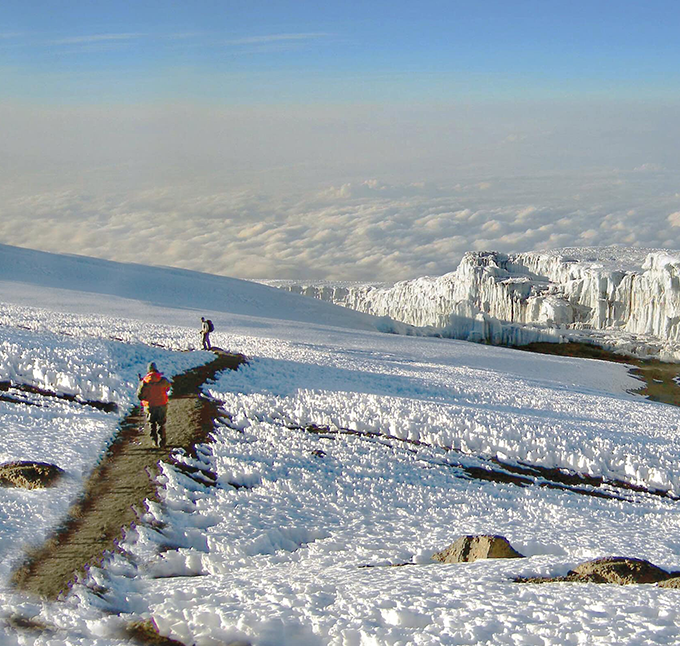

The best time to climb Kilimanjaro is during the dry seasons – January to March and June to October, when the trails are clear, and the weather is stable and pleasant. Climbers enjoy better visibility, safer trekking, and a more comfortable climb during these months. The ascent is more challenging during the wet seasons due to muddy trails and precarious conditions. Planning your climb by season ensures a safer, more enjoyable experience. At the right time, you can appreciate the breathtaking landscapes of Africa’s tallest peak.

Climbing Kilimanjaro is possible year-round, but your experience largely depends on the timing. The mountain lies so close to the equator that it doesn’t have four distinct seasons — instead, it alternates between dry and rainy periods. The best windows to aim for are January through early March, and late June through October, when the skies are clearer, the trails drier, and the summit views more reliable. During these months, daytime trekking is more comfortable, the weather is more predictable, and your chances of a successful, scenic ascent are higher.
Between mid-March and May, you’ll enter the “long rains” — expect muddy trails, poor visibility, and a more challenging climb. November brings “short rains,” which can still disrupt plans, though in some years the rainfall is lighter than during the long rains. Some seasoned trekkers welcome the quiet and solitude of the off-peak months, but it requires extra gear, flexibility, and tolerance for unpredictable weather.
From a traveller’s point of view, when I picture my own Kili climb, I’d lean toward July to early October. That’s when the dry season is in full swing: the mountain is alive with crisp sunlight, nights are cold, and the route’s stages feel more solid underfoot. August and September, in particular, strike a sweet spot—good weather, reasonable daylight, and high chances of reaching the summit. Or, if I wanted to dodge the biggest crowds, I might aim for January or February — still dry weather, lower altitude snow, and a quieter trail.
From a traveller’s point of view, when I picture my own Kili climb, I’d lean toward July to early October. That’s when the dry season is in full swing: the mountain is alive with crisp sunlight, nights are cold, and the route’s stages feel more solid underfoot. August and September, in particular, strike a sweet spot—good weather, reasonable daylight, and high chances of reaching the summit. Or, if I wanted to dodge the biggest crowds, I might aim for January or February — still dry weather, lower altitude snow, and a quieter trail.
Mount Kilimanjaro has two primary climbing seasons that coincide with Tanzania’s dry periods.
These months certainly offer better weather and drier trail conditions for climbing Kilimanjaro.
As mentioned above, the rainy season certainly brings increased precipitation. It makes the trails more slippery and summit conditions harsher, often filled with snow and ice.
Climbers require additional high-quality rain gear to feel comfortable on the mountain.
Dry seasons on the Kilimanjaro range from January to mid-March and June to October. It is considered the best time to climb. During these months, the mountain is mostly bathed in sunshine, with clear blue skies and light to occasional rainfall.
In the mountains, the conditions are more predictable, and the overall experience is more comfortable, even at high altitudes.
The rainy seasons, which span from late March to May and from November to December, bring a distinct beauty to the mountain. The landscape turns lush and vibrant, and the slopes are quieter. It offers a more secluded and introspective experience for those who don’t mind the weather.
Before deciding when to climb Mount Kilimanjaro, consider key factors such as your fitness level, desired experience, and optimal weather conditions. The dry seasons, from June to October and December to February, are ideal for clear skies and optimal trekking conditions.
If you prefer fewer crowds and a more peaceful adventure, the rainy seasons from March to May and November might be more suitable. Always factor in your altitude tolerance and the difficulty level of the trek. Proper preparation is essential to ensure a safe and successful climb, regardless of the time you choose.
Choose the perfect time for your Tanzania safari based on your interests—dry season for exceptional wildlife sightings, wet season for lush landscapes and birdwatching, or migration periods for unforgettable natural spectacles. Plan your dream adventure now!
Choosing the best time to climb Mount Kilimanjaro depends on various factors like weather, your fitness level, and personal preferences. The dry seasons (June to October and December to February) offer the best conditions for climbing, with clear skies and less rain. However, the wet seasons (March to May and November) are less crowded and offer a more tranquil experience. Keep in mind your personal goals, altitude tolerance, and desired experience. Planning ahead can make your Kilimanjaro journey unforgettable, whether you seek adventure or a quieter, less popular trek.
Do you have more questions about the safari and tour destinations in Tanzania? Our FAQs provide you with all the answers you need to plan for the perfect trip. From the best time to visit Tanzania to wildlife spotting tips to game drives, we’ve got you covered. Experience your adventure with confidence.
The best times to climb Kilimanjaro are during the dry seasons:
* January to early March
*Late June to October
These months offer the most reliable weather, with clearer skies, firmer trails, and stunning summit views. They’re ideal for those seeking a comfortable and scenic trek.
Yes, you can — but it comes with challenges. The rainy seasons are:
* Mid-March to May (long rains)
* November to early December (short rains)
Do expect wet and muddy trails, limited visibility, and colder summit conditions. However, these months also offer a quieter, more introspective climb with fewer crowds and lush, green landscapes. If you don’t mind some discomfort and come well-prepared with quality rain gear, it’s a unique alternative.
Clear skies and excellent visibility
* More predictable weather
*Firmer trail conditions
*Higher summit success rates
*Better photo opportunities
It depends on what kind of experience you're looking for:
* For scenic views and optimal comfort:
Always, choose June to October or January to early March
* To avoid crowds
Always try to opt for January, February or early December.
* For solitude and greenery: Do try the rainy seasons, and bring proper gear and prepare for unpredictable conditions
If you're sensitive to altitude or new to high trekking, Stick to dry season climbs, as trail conditions are safer and acclimatisation tends to be smoother