Photography Safaris

Photography Safaris

For photography enthusiasts, there’s no place on earth quite like Tanzania to capture nature in its most dramatic and untouched form. From the expansive savannahs of the Serengeti to the mist-shrouded peaks of Mount Kilimanjaro, the country offers a treasure trove of incredible moments, waiting to be frozen in time. A Photography Safari here isn’t just about snapping pictures; it’s about immersing yourself in the wild and seeking the perfect shot that encapsulates the raw beauty of Africa. Each day spent in the Tanzanian wilderness brings new opportunities to tell a story through your lens—from the delicate ripple of a river crossing to the intense gaze of a leopard surveying its domain.

As you explore Tanzania’s iconic parks, you’ll find yourself surrounded by nature’s greatest spectacles. The Serengeti, home to the famous Great Migration, is a playground for photographers, with vast herds of wildebeest and zebras on the move and predators lying in wait. In the Ngorongoro Crater, a caldera teeming with wildlife, you can shoot up-close encounters with elephants, lions, and rhinos as they roam the lush grasslands. Your expert guide, not only an animal tracker but also an experienced photographer, will help you find the perfect angles, light, and composition, making sure you never miss a golden opportunity. Whether it’s a cheetah sprinting across the plains or a lioness stalking through tall grass, your guide’s local knowledge will ensure you’re in the right place at the right time.

Capture breathtaking wildlife moments and stunning landscapes on a photography safari, with expert guides helping you frame Tanzania’s beauty through your lens.

The magic of a Photography Safari in Tanzania, however, isn’t just in the images you return with. It’s in the emotional connection you form with the land and its creatures. Watching a lioness gaze into the distance, or hearing the sound of a herd of elephants rustling through the trees, you realize that you’re not just an observer—you’re part of a timeless ecosystem. These experiences stay with you long after the camera is put down, enriching your journey with memories that go beyond photos, deep into your heart.

What to Expect on a Tanzania Photographic Safari

A Tanzania Photographic Safari offers the perfect opportunity to capture the breathtaking beauty of Africa’s wildlife and landscapes. Whether you’re an amateur or a seasoned photographer, this adventure takes you to iconic destinations like the Serengeti, Ngorongoro Crater, and Tarangire, where you can photograph the Big Five, dramatic landscapes, and incredible wildlife moments. Expert guides provide tips and ensure you’re in the best locations for stunning shots, from the golden hour to predator-prey encounters. With Tanzania’s diverse scenery and abundant wildlife, it’s an unforgettable experience for any photographer.

What to Expect on a Tanzania Photographic Safari

A Tanzania photographic safari is more than a wildlife adventure. It is a journey into nature’s grandest theatre. Through your photographic lens, you can enjoy the endless plains of the Serengeti to the misty rim of Ngorongoro Crater and the baobab-dotted Tarangire.

Every moment offered a story that should be framed. Be you are a seasoned professional or an enthusiastic beginner, Tanzania delivers the most photogenic landscapes and wildlife encounters on Earth.

Unparalleled Wildlife Encounters

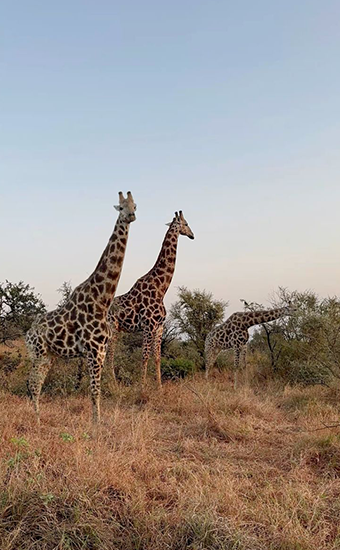
Tanzania’s parks are teeming with life like elephants, lions, cheetahs, leopards, giraffes, and hundreds of bird species. You will have front row seats to incredible natural events like.

  • The Great Migration

Over two million wildebeest and zebras cross the Serengeti plains.

  • Predator Action

Lions and cheetahs hunting in golden light.

  • Intimate Wildlife Moments

You can always capture moments like mothers with their young, birds in flight, or elephants bathing at sunset.

  • Expert guides and drivers

Our expert guides and drivers position your vehicle perfectly for the best shots as they respect both safety and the animal’s space.

Golden Light and Dramatic Landscapes

However, Tanzania’s landscapes are as photogenic as its wildlife.

  • Serengeti

Serengeti is an endless grassland that is dotted mostly with acacias and dramatic skies.

  • Ngorongoro Crater

It is a natural amphitheatre which is rich with wildlife and morning mists.

  • Tarangire

Giant baobabs and herds of elephants set against the fiery sunsets.

  • Lake Manyara

Reflections of flamingos and tree-climbing lions. 

  • The photographers who expect early starts and late returns.
  • Photographers do chase the “golden hours” at dawn and dusk, when the light is soft and warm.

Professional Guidance and Custom Safari Vehicles

Your photographic safari will typically include

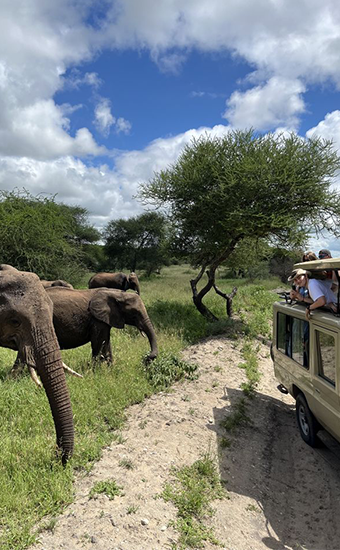
  • Specially modified 4×4 vehicles with pop-up roofs and open sides for unobstructed shooting angles.
  • Private or small group setups to ensure everyone has a huge space for gear and movement.
  • At times, you require the aid of expert photographic guides who understand lighting, animal behaviour, and the best vantage points.

Opportunities for All Skill Levels

Whether you shoot with a DSLR, a mirrorless camera, or even with a flagship phone, your guide will aid you in making the most of your equipment. Most safaris do include the following.

  • Tips for composition, exposure, and wildlife ethics
  • On-site photo coaching sessions and workshops
  • Opportunities to review and edit your photo back at camp

Respectful and Responsible Photography

It is believed by the wildlife photographers that true wildlife photography balances both art and ethics. You will learn how to:

  • Maintain a respectful distance and avoid stressing animals
  • Follow park and guide regulations
  • Do prioritise conservation, support lodges that support community and wildlife initiatives

Where To Go for the Best Photographic Shots

Tanzania is regarded as a photographic paradise. It is the land of sweeping savannas, glowing sunsets, and encountering dramatic wildlife. Whether you are chasing the great migration, framing elephants under ancient baobabs, or capturing the flamingos reflected in mirror-like lakes at every corner of this country offers a visual masterpiece.

Here is where to go for the best photographic opportunities on your Tanzania safari. 

Serengeti National Park – The Ultimate Wildlife Stage

Why it’s special

Serengeti is the crown jewel of African wildlife photography. It is endless golden plains that host the Great Migration, when over two million wildebeest and zebra rush across the savanna in search of greener pastures.

Best shots

  1. * June to August is the best time for river crossings at the Grumeti or Mara Rivers.
  2. * January to  March is the Wildebeest calving season in the Southern Serengeti. 
  3. * You will even witness the Big cats like lions, cheetahs, and leopards in soft golden light.
  4. * Vast landscapes with acacia silhouettes against fiery sunsets.

Ngorongoro Crater – A Natural Amphitheatre of Life

Why it’s special:

This happens to be a World Heritage Site as per UNESCO, and it is regarded as a photographer’s dream with a vast volcanic caldera filled with lush grasslands, lakes, and an astonishing density of wildlife.

Best shots:

  • * Early-morning mist rising from the crater floor.
  • * Herds of buffalo, zebra, and wildebeest in the crater basin.
  • * Flamingos on Lake Magadi.
  • * The panoramic view from the crater rim at sunrise.

Tarangire National Park – The Baobab Wonderland

 Tarangire offers a unique blend of landscape and wildlife photography opportunities, in the dry season from June to October.

  • * Some of the best shots include elephants framed between towering baobabs.
  • * Dusty sunsets glowing behind acacia trees. While birdlife near the Tarangire River.

Lake Manyara National Park – Reflections and Contrast

This is certainly a compact park with immense variety, and it comes from groundwater forests to alkaline lakes. Furthermore, Lake Manyara is ideal for those who love vibrant colour and contrast.

  • * Some of its best shots include those of flocks of pink flamingos mirrored in the still waters of this lake.
  • * You also get to click a close-up shot of the tree-climbing lions.
  • * You are able to shoot blue monkeys and elephants framed by lush green forests.
Where To Go for Best Photographic Shots
For the best photographic safaris, head to Tanzania’s Serengeti, Ngorongoro Crater, and Tarangire National Park. Capture stunning wildlife, dramatic landscapes, and unforgettable moments, all while guided by expert photographers to perfect your shots.

A Tanzania Photographic Safari offers an extraordinary chance to capture the beauty of Africa’s diverse landscapes and wildlife. From the iconic Serengeti to the breathtaking Ngorongoro Crater, each destination presents unique opportunities to photograph the Big Five, vibrant birdlife, and stunning sunsets. Guided by experienced photographers, you’ll be taken to the best spots at the perfect times for optimal lighting and wildlife moments. Whether you’re a professional photographer or an enthusiast, this safari promises an unforgettable adventure filled with incredible photos and memories you’ll cherish forever.

Experiences

Tanzania Safari Experience

Plan your perfect Tanzanian getaway with our travel guides – wildlife safaris, scenic beauty, and endless adventures.

Tanzania Safari FAQs

Have questions about a Tanzania Safari? 

Our FAQs provide all the answers you need to plan a perfect visit. From the best time to visit, to top places to spot wildlife, we’ve got you covered. Start your adventure with confidence. 

Explore, Experience, and Enjoy!

Is photography allowed in Tanzania’s national parks?
Yes, photography is allowed and highly encouraged in all major national parks and reserves such as Serengeti, Ngorongoro Crater, Tarangire, and Lake Manyara. However, drones are not permitted in most parks without special government permission. Always follow your guide’s advice and park regulations when photographing wildlife.
Do I need a professional permit for photography in Tanzania?
If you’re visiting as a tourist or hobbyist, no special permit is required. If you’re shooting commercial content (films, documentaries, or promotional materials), you’ll need a filming/photography permit from the Tanzania Film Board and park authorities. This must be arranged in advance.
What kind of camera should I bring on safari?
It depends on your level and goals:

* DSLR or Mirrorless Cameras:
* Best for professional-quality wildlife photos.
* Telephoto Lens (200–600mm): Ideal for close-ups of animals from a distance.
* Wide-Angle Lens (16–35mm): Perfect for landscapes and sunsets.
* Travel Tripod or Beanbag: Helps stabilise long shots in safari vehicles.
* Extra Batteries & Memory Cards: Power sources can be limited in remote camps.
Can I take photos of local people in Tanzania?
Always ask permission first. While many Tanzanians are friendly and open to being photographed, it’s respectful to request consent, especially in rural areas or traditional communities (like the Maasai or Hadzabe). Some people may ask for a small tip, which is common and appreciated.
Expert Guidance

Personalized Journeys Crafted Just for Your Unique Adventure

What Our Clients Say

Testimonials

Take a quick look at what our safari tourists have conveyed regarding their safari journeys with Migsam Safaris.
Our safari tours to the heart of Tanzania etch a memory of a lifetime in the minds of travellers.

Aurora Belle
Aurora Belle

MIGSAM Safaris crafted an unforgettable adventure- truly a dream safari!

Kai Alexander
Kai Alexander

Incredible service, exceptional wildlife sightings, and expert guides -MIGSAM delivers! "

Maeve Elise
Maeve Elise

MIGSAM Safaris exceeded expectations with top-notch experiences.

Rowan Jude
Rowan Jude

Every moment was extraordinary—MIGSAM made our safari dreams real

Selene Grace
Selene Grace

MIGSAM's personalized tours and wildlife encounters were beyond anything imagined.