Discover Tanzania’s wild beauty. Get a Personalised safari plan, exclusive offers, and expert guidance.
Recent Posts


Get In Touch


Plot no. 14 & 15, Block "J" Swahili Street, Arusha, Tanzania.
Plot no. 14 & 15, Block "J" Swahili Street, Arusha, Tanzania.
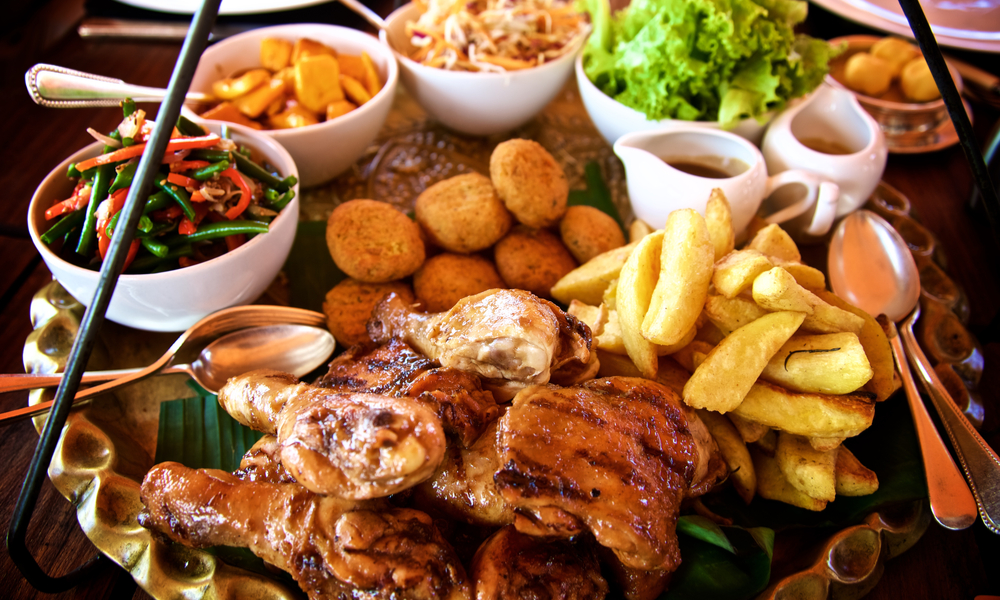

Strategic food intake is vital to a successful Kilimanjaro climb. Meals are carefully prepared to produce energy, heat, and hydration at high altitude. Climbers enjoy a mix of international and local dishes. The food items include soup, pasta, rice, vegetables, fruits, and protein-rich meals. Hot meals and drinks help maintain your body temperature, while snacks such as energy bars support stamina during the trek. Special dietary needs are often accommodated if you inform the team beforehand. Well-balanced food consumption helps combat fatigue, support acclimatisation, and energise climbers throughout their journey to the summit.

When you set out to Climb Mount Kilimanjaro, food becomes more than just fuel—it’s part of the experience that keeps your body strong and your spirit motivated on the way to the summit. The mountain’s high altitude and long trekking days demand energy-rich meals that are both nutritious and comforting. Local cooks, often the unsung heroes of every climb, prepare fresh dishes each day to ensure you have the strength to keep moving. Don’t be surprised to wake up to warm porridge, eggs, toast, and fruit for breakfast—simple yet hearty meals that start your journey with warmth and energy.
Lunches and dinners on Kilimanjaro are designed to be filling without weighing you down. Expect a mix of soups, rice, pasta, potatoes, and stews with fresh vegetables and sometimes chicken or beef. These meals are balanced to replenish lost calories while remaining easy to digest at higher elevations. One of the most memorable aspects for many climbers is enjoying a hot meal in the middle of nature, with clouds drifting around and the sounds of the mountain as your dining backdrop. Snacks like popcorn, biscuits, and fruit are often served to lift your energy and morale after long stretches on the trail. Hydration is equally important—boiled and purified water is provided daily, often with tea, coffee, or hot chocolate to keep you warm.
Food on Kilimanjaro is not just about eating—it’s about comfort, encouragement, and care. Every meal is prepared with the climber’s journey in mind, offering familiarity in an unfamiliar environment. Even when your appetite decreases at higher altitudes—a common challenge—the warm soups and simple taste help you keep going. In many ways, the meals are a reminder that you’re not climbing alone; you’re supported by a dedicated team committed to your success. So while the mountain may test your endurance, the food along the way nurtures both body and spirit, making every step toward the summit a little lighter.
Meals on a Kilimanjaro climb are designed to fuel you throughout the journey. You’ll enjoy hearty, nutritious meals that include breakfast options like porridge, eggs, and fruit, along with sandwiches or snacks for lunch. Dinners are typically hearty, featuring stews, pasta, rice, and vegetables to keep your energy levels up. Meals are prepared by experienced chefs or porters, and special dietary needs, including vegetarian or gluten-free, can usually be accommodated. Hot drinks like tea and coffee are provided regularly, ensuring you stay energized and hydrated on your climb.
We recommend for staying hydrated with 3-4 liters of water daily and eating high-energy snacks like nuts. Enjoy nutritious meals provided on the mountain. Avoid alcohol, and ensure consistent nourishment to prevent fatigue and altitude sickness.
Food on Kilimanjaro is designed to keep you fueled and energized throughout the climb. Meals are hearty and nutritious, with a mix of carbohydrates, proteins, and healthy fats to help you tackle the challenging trek. Expect filling breakfasts, satisfying lunches, and comforting dinners, often including soups, stews, pasta, rice, and vegetables. The food is prepared by experienced chefs or porters who cater to special dietary needs like vegetarian or gluten-free options. Staying hydrated with plenty of water and enjoying high-energy snacks is essential for maintaining stamina and health throughout your adventure.
The foods you consume while climbing serve as the fuel your body requires to tackle the toughest of all journeys. However, by maintaining a proper diet, you can enhance your climbing experience and increase your chances of success. A proper diet is essential for alleviating the symptoms of various illnesses, including altitude sickness.
The food you eat provides the energy necessary to sustain the demanding climb of Mount Kilimanjaro. Meals that you consume on Kilimanjaro are rich in carbohydrates, which are the primary energy source for the body.
You are required to drink enough water to keep yourself hydrated and ward off altitude sickness while climbing the majestic heights of Kilimanjaro.
When you get proper nutrition and hydration, it reduces the symptoms of mild Kilimanjaro Altitude sickness.
Water on Kilimanjaro is critical, just like the food that you consume during your climb. Therefore, staying hydrated does play a crucial role in your Mount Kilimanjaro climbing expeditions. It is always recommended that you drink at least three litres of water daily during the climb. The flavour infusions that aid you in consuming that much water by all means. Please remember that you will be responsible for carrying your own drinking water during the daily treks. It is the hydration pack or water bladder that integrates your daypack and is equipped with a convenient drinking hose. Somehow, a leak-proof water bottle can hold a litre of water. To prevent your water bottle from freezing, place it in a sock and keep it close to your body. Another helpful tip is to store the bottle upside down.
Alongside snacks, you should also pack the following drinks for your Kilimanjaro trek.
*You can keep electrolyte packets like Gatorade, Nuun, and Rehidrat with you for hydration.
*Presence of flavour-enhancing sachets for your water
*You should carry preferred herbal tea bags.
This suggestion is due to the water purification process on the mountain, which utilises tablets and may slightly alter the taste of the water. If you find this displeasing, flavour sachets are a good option.
In the evenings, it is comforting to have your favourite herbal tea or any other drink of your own choice.
A diversified range of meals and snacks is mainly offered as part of our Kilimanjaro Climbing Packages.
Bringing a selection of your favourite snacks is beneficial. They do act as an energy source and provide an emotional uplift during demanding stretches of your climb.
Here’s a breakdown of the snacking guidelines:
It serves as both a snack and a dual-purpose food. They supply quick energy but offer a morale boost when the climb becomes challenging.
For more snack ideas, check out the following options.
Pack something along the trail, such as trail mix, salted nuts, or mini pretzels, to satisfy those salty cravings.
Sweet delights primarily consist of options such as candy bars and hard candies. They are a lovely respite during the climb.
Fruits like raisins and mangoes provide a quick and healthy energy boost.
Do consider protein bars and jerky for a protein-packed snack.
There are times when biscuits and cookies can be a comforting treat on your climb.
The Mount Kilimanjaro trekking adventure is more than just the Kilimanjaro food that you will enjoy forever. It is an exciting journey that is filled with stunning views and personal challenges. While ascending the mountain is a challenging task. You should properly consume food and the proper nutrition, and the team that is offered in our tailored Mount Kilimanjaro isn’t a walk in the park.
Having the correct nutrition and a supportive team makes our tailored Mt. Kilimanjaro Climbing packages a thrilling and life-changing experience. It offers not only memories but profound experiences that stay with you long after you have descended from the mountain.
Do you have more questions about the safari and tour destinations in Tanzania? Our FAQs provide you with all the answers you need to plan for the perfect trip. From the best time to visit Tanzania to wildlife spotting tips to game drives, we’ve got you covered. Experience your adventure with confidence.
During a Kilimanjaro climb, you’re typically served high-energy, carbohydrate-rich meals to sustain the physical demands of trekking at high altitudes. The meals often include:
Porridge, eggs, toast, and fruit for breakfast
Rice, pasta, potatoes, and vegetables for lunch and dinner
Protein sources like chicken, beef,or legumes
Soups, tea, and hot drinks for hydration and warmth
A mountain chef freshly prepares all meals as part of most guided Kilimanjaro climbing packages.
It is recommended that you drink at least 3 to 4 litres of water per day during your climb. Staying hydrated is crucial for preventing altitude sickness, reducing fatigue, and supporting your body’s increased metabolic rate at higher elevations. Using a hydration pack or water bladder is ideal for easy sipping while trekking.
Yes, bringing your own snacks and drink mixes is highly recommended. Snacks provide a quick energy boost and morale support during long hours of trekking. Ideal options include:
Trail mix, protein bars, dried fruits, nuts, candy, and jerky
Electrolyte drink powders (like Nuun or Gatorade)
Flavour sachets and herbal tea bags to improve the taste of water
These personal items can make your trek more enjoyable and help meet your nutritional needs.
Proper food and hydration are essential because they:
*Fuel your body for the physically demanding climb
*Help reduce altitude sickness symptoms
*Support your metabolism, which speeds up at high altitudes
*Boost mental stamina and morale during tough sections
*Eating well and staying hydrated significantly increase your chances of successfully reaching the summit.