Plot no. 14 & 15, Block "J" Swahili Street, Arusha, Tanzania.
This rare season offers intimate wildlife encounters set against the dramatic backdrop of the Serengeti.
Experience the best part of The Great Wildebeest Migration, the Serengeti Calving Season, where hundreds of wildebeests are born from January to March each year.
Witness nature at its most powerful as new life fills the plains in a breathtaking cycle of survival.
When we think of the Great Wildebeest Migration, all we can imagine is great herds crossing rivers, encountering predators, and running across the savannah. What we often miss is the best part of this migration: The Calving Season.Â
The wildebeest Calving Season occurs every year from January to March. During this time, the migrating wildebeest herds undergo the birthing process, and around 500,000 wildebeest are born every year. This synchronised birthing process results in 8,000 to 9,000 new calves being born each day.Â
The wildebeest calving season is best witnessed in the Ndutu Plains (Southern Serengeti/Ngorongoro Conservation Area). The herds migrate south in search of a better food supply, and the Southern Serengeti offers a bounty of fresh grasses. Pleasant weather from January to March allows herds to give birth to younger calves without the stress of excessive heat, rain, or cold. Â
Alongside wildebeest herds, other migrating animals like zebras, gazelles, and particular antelope species all give birth during this season. These animals play an essential role in the wildebeest migration by eating the longer grasses that younger wildebeests do not usually prefer. Once the zebras and gazelles have grazed the land, the young wildebeest calves can nibble on the grasses more easily, helping them get better nutrition.
The Wildebeest Migration happens all year round, where the herds move continuously from North to South in response to seasonal rains and food supply. The entire migration cycle is determined by rainfall, enabling wildebeest herds to seek suitable places to give birth and to find abundant food.Â
Area | Season | Months |
Southern Serengeti (Ndutu) | Calving | Jan – Mar |
Central Serengeti | Movement | Apr – May |
Western Serengeti (Grumeti) | River Crossing | May – Jun |
Northern Serengeti | Mara River Crossing | Jul – Oct |
Masai Mara (Kenya) | Migration Peak | Aug – Oct |
Southern Serengeti | Return Migration | Nov – Dec |
The best time to witness the calving season is from January to March. The peak period is from late January to February, when most births occur. This period follows the short rains, when the plains are lush and nutrient-rich, providing ideal conditions for mothers and newborns. Wildebeest synchronize their births to overwhelm predators, resulting in extraordinary wildlife action and constant activity across the landscape.
January to March is considered ideal, as mass births often occur within a short period. Tourists visiting the Ndutu Plains can witness live birthing actions and feel the wonder of nature in their hearts. The open plains of Southern Serengeti make it easier to spot animals and photograph dramatic moments. Compared to the river-crossing months, the calving season is better for the climate and easier for tourists to witness. Â
The best place to witness the Great Wildebeest Migration Calving Season is the Southern Serengeti, particularly in the Ndutu region. This region lies between the Serengeti National Park and the Ngorongoro Conservation Area in Tanzania.Â
From January to March, the grasslands are covered with fresh, green grass suitable for wild animals to graze. As the wildebeest migrate south, these green grasslands feed them and help them give birth amid abundant food sources.Â
The calving season attracts a number of predators. Lions, hyenas, cheetahs, and leopards are drawn to the Southern Serengeti plains during the calving season. You might witness cheetahs chasing wildebeest calves, hyena and lion packs attacking wildebeest, and leopards prowling from above. The predator-prey interaction during the calving season is a spectacle to witness, marking one of nature’s greatest wonders.
The calving season is ideal for witnessing newly born wildebeest calves roaming the plains of the Serengeti. Over 350,000 tourists visit Tanzania every year to witness the birth of wildebeest amid the perils of the wild. Birth, the greatest spectacle of nature, attracts tourists worldwide to see it up close.
At Migsam Safaris, we offer the best calving season safari in Tanzania. Our expert guides are well-versed in wildlife behaviour, best terrains, and sensitive handling of calving sightings, ensuring that Mother Nature and tourists are equally respected. Beyond wildlife safaris, we are committed to providing you with guidance and knowledge about conservation efforts, thereby promoting responsible tourism during this vulnerable season.Â
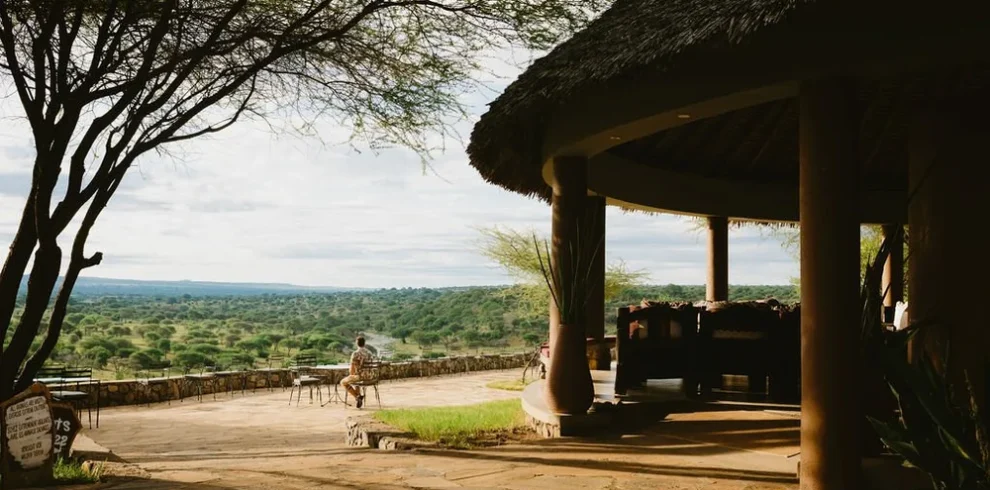
A wildebeest migration calving-season safari is best observed from our tented camps. Our Sero Tented Camp is a classic tented camp designed to offer tourists the best views of the migration and calving. During this time, the Sero Tented Camp offers a front-row seat to wildebeest calving on the Southern Serengeti Plains, which attracts high predator activity.Â
Do you have more questions about the safari and tour destinations in Tanzania? Our FAQs provide you with all the answers you need to plan for the perfect trip. From the best time to visit Tanzania to wildlife spotting tips to game drives, we’ve got you covered. Experience your adventure with confidence.
The top national parks in Tanzania for birdwatching include Serengeti National Park, Lake Manyara National Park, Ngorongoro Crater, Ruaha National Park, Tarangire National Park, Selous (Nyerere NP), among others.
On a safari journey to Tanzania, you can spot the native birds, raptors, and a few migratory birds during the dry season between June and October. And, birdwatchers can spot a myriad of migratory birds during the wet season between November and April. Depending on your preference, you can visit the parks and enjoy bird watching. Don’t forget to carry binoculars and cameras on your birdwatching safari to Tanzania.
The iconic birds to spot in the Tanzanian wild include Kori Bustards, Secretary Birds, Flamingos, Shoebill Storks, and African Fish Eagles, among other species. Some of the places to spot these birds include Serengeti National Park, Ngorongoro Crater, Lake Manyara, Udzungwa Mountains, etc.
Tanzania is a favourite spot for passionate bird watchers and ornithologists because of its rare bird species in its national parks, lakes, and mountain regions. Some of the endemic bird species include the Udzungwa Forest Partridge, Tanzanian Red-Billed Hornbill, Ashy Starling, Pemba Scops Owl, and Usambara Weaver, among many others.