Discover Tanzania’s wild beauty. Get a Personalised safari plan, exclusive offers, and expert guidance.
Recent Posts


Get In Touch


Plot no. 14 & 15, Block "J" Swahili Street, Arusha, Tanzania.
Plot no. 14 & 15, Block "J" Swahili Street, Arusha, Tanzania.
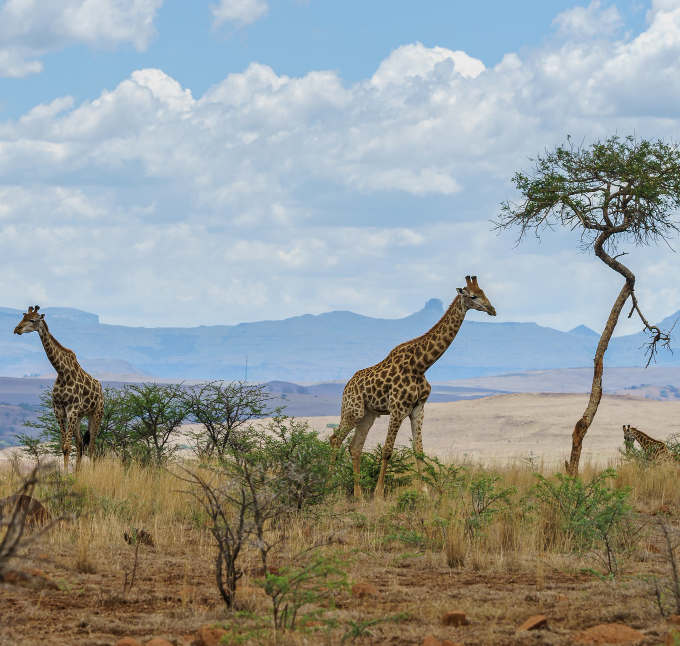
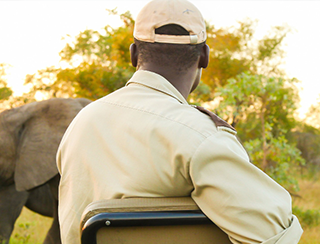
Throughout the year, when you choose to visit Tanzania, Migsam Safaris thoughtfully plans customised itineraries for each traveller. Our safari plans and itineraries perfectly match the season and your safari dreams. Our expert local guides, with their deeper knowledge of wildlife and local tribal culture, ensure you witness Tanzania at its very best at the right time.
At Migsam Safaris, we ensure you the perfect journey, blending your travel goals with the best season. Tanzania, the heart of African wildlife safari, offers extraordinary safari experiences year-round, each season unveiling the destination’s unique splendours.

Tanzania offers an unforgettable travel experience no matter the season, but the timing of your trip can enhance your experience depending on what you’re looking to explore. The best time to go on a safari in Tanzania is typically between June to October.
During these months, the weather is sunny and pleasant, with little rainfall, making it ideal for safari enthusiasts to spot wildlife in their natural habitats alongside scenic landscapes. Animals tend to congregate around waterholes, especially in popular parks like the Serengeti, Ngorongoro Crater, and Tarangire. This period also coincides with the Great Migration in the Serengeti, a once-in-a-lifetime event to watch the Greatest Show on Earth. Those seeking to capture predator-prey interactions during zebra, gazelle, and wildebeest migration are best advised to visit from June to October.
If you are seeking a quieter, more affordable experience, the green season from November to March offers an excellent alternative. At the same time, the rains might limit access to some remote parks, but the vibrant, lush green landscapes resemble a paradise perfect for birdwatching. Migratory birds flock to various national parks and game reserves in Tanzania, and the dramatic green backdrops make the tours perfect for wildlife photography. Fewer tourists visit this time, so you can enjoy the natural beauty and tranquillity of Tanzania’s national parks with less crowding and lower prices on accommodation and tours.
Safari experts at Migsam Safaris recommend that travellers visit Tanzania during the high season, i.e., June to October. That’s when Tanzania’s wildlife flourishes, offering opportunities for the most memorable tours.
If your dream trip involves lounging on the sandy beaches of Zanzibar or exploring the Indian Ocean coastline, then both the Dry and Green seasons are the best time to visit Tanzania.
June to October and January to February are the ideal months to visit Tanzania’s beaches and mountains.
The weather is warm and dry, perfect for water activities like diving, snorkelling, and swimming. These months are ideal for enjoying Zanzibar’s beauty without the distractions of rainy season storms.
Tanzania offers thrilling Mount Kilimanjaro Trekking adventures year-round. Whether you are an experienced mountaineer or climbing for the first time, unwind in this paradise from June to October and January to February.
Let your interests dictate the season, and Tanzania will consistently deliver an unforgettable adventure.
Tanzania’s seasons shape the safari experience, each offering unique wonders. The dry season (June to October) is ideal for spotting wildlife as animals gather around water sources, making game viewing spectacular. It’s also the prime time for witnessing the Great Migration. The wet season (November to May) brings lush greenery, newborn animals, and fewer crowds, perfect for birdwatchers and photographers. Short rains in November and April add vibrant colors to the landscape, while the long rains rejuvenate nature. Choosing the best season depends on your interests, whether thrilling wildlife encounters or peaceful natural beauty.
Witness the Great Migration all year long as the wildebeest move between the Maasai Mara in Kenya and the Serengeti in Tanzania. No matter when you travel, between June and October or November and March, you won’t miss this incredible event.
April – June: The herds space across Ndutu, Kusini, and central Serengeti.
July – September: River crossings in the Southern Serengeti, a spectacular highlight of the Great Migration.
October – November: Herds move quickly southward toward the Ndutu and southern Serengeti
December – March: Great Migration in the Southern Serengeti, with calving season in February.
More than 500,000 wildebeests are born every year during the calving season from January to March in the plains of Serengeti. Other animals, such as zebras and gazelles, also give birth during this season, making it a remarkable tourist attraction.
The abundance of newborns attracts predators such as lions, cheetahs, and hyenas, offering exceptional game-viewing opportunities. The calving season is ideal for travellers seeking intense wildlife action, dramatic landscapes, and excellent photography, with lush green plains and softer light enhancing the overall safari experience.
Do you have more questions about the safari and tour destinations in Tanzania? Our FAQs provide you with all the answers you need to plan for the perfect trip. From the best time to visit Tanzania to wildlife spotting tips to game drives, we’ve got you covered. Experience your adventure with confidence.
The best time is June to October, during the dry season, when conditions are ideal for wildlife viewing, cooler weather, and the Great Migration in the Serengeti.
The temperature during the dry season in Tanzania ranges from 20°C to 30°C.
The shoulder season is from January to March and from November to December. It is also known as the green season and is very good for visiting Tanzania.
Tanzania is a favourite spot for passionate bird watchers and ornithologists because of its rare bird species in its national parks, lakes, and mountain regions. Some of the endemic bird species include the Udzungwa Forest Partridge, Tanzanian Red-Billed Hornbill, Ashy Starling, Pemba Scops Owl, and Usambara Weaver, among many others.