Discover Tanzania’s wild beauty. Get a Personalised safari plan, exclusive offers, and expert guidance.
Recent Posts


Get In Touch


Plot no. 14 & 15, Block "J" Swahili Street, Arusha, Tanzania.
Plot no. 14 & 15, Block "J" Swahili Street, Arusha, Tanzania.
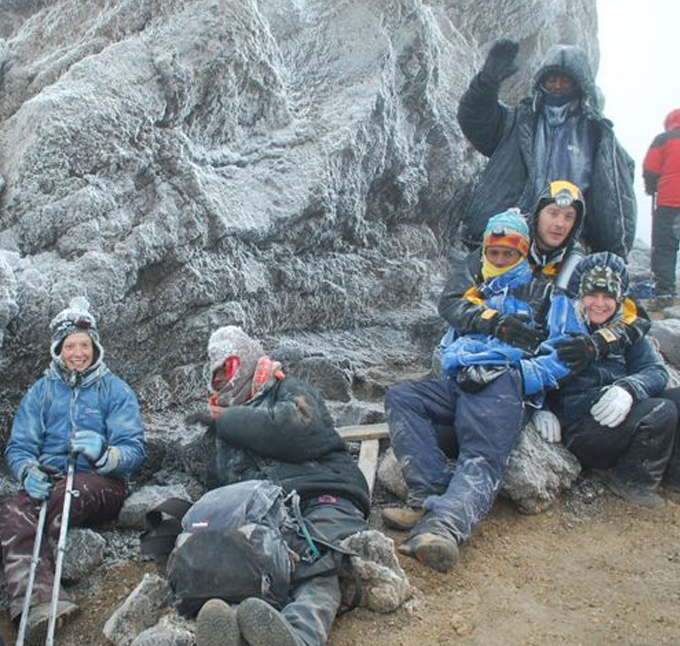
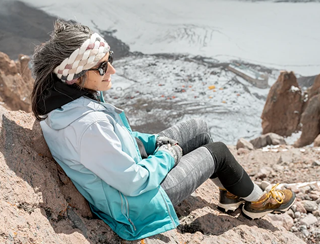
Climbing Kilimanjaro exposes trekkers to high altitudes, making altitude sickness a vital concern. Symptoms include headaches, nausea, dizziness, and fatigue, which may affect climbers above 2,500 meters. Proper acclimatisation, pacing your ascent, and staying hydrated are essential to reduce risks. It’s always advised to choose long routes. Choosing longer routes allows your body to adjust gradually. Guides monitor symptoms and advise rest or descent if necessary. Awareness and preparation are key, as altitude sickness can affect the climber’s ability to reach the summit. Learn about the symptoms and practise preventive measures. You can enjoy a safer and more rewarding Kilimanjaro climbing experience.

One of the greatest challenges of Climbing Mount Kilimanjaro is not the trail itself, but the altitude. As you ascend from lush forests to the icy summit, your body is forced to adapt to thinner air and lower oxygen levels. This is where altitude sickness—also known as Acute Mountain Sickness (AMS)—comes in. Symptoms can range from mild headaches, dizziness, and nausea to fatigue and shortness of breath. For many climbers, these signs may appear above 3,000 meters, reminding you that the mountain is as much about patience and acclimatization as it is about physical endurance. Understanding altitude sickness is key to preparing for your climb with confidence and awareness.
The good news is that altitude sickness is manageable with the right approach. Choosing a longer route with gradual elevation gain gives your body more time to adjust, significantly increasing your chances of reaching the summit. Hydration plays a huge role—drinking plenty of water helps your body adapt, while avoiding alcohol and caffeine reduces dehydration risks. Guides also encourage the “pole pole” (slowly, slowly) pace, a golden rule of Kilimanjaro that prevents overexertion at high altitudes. Medications such as Diamox are sometimes used, but the most effective remedies are rest, proper acclimatization, and listening to your body. If symptoms worsen, descending even a few hundred meters can make a dramatic difference in how you feel.
Altitude sickness on Kilimanjaro is a reminder that the climb is not a race—it’s a journey of respect for nature and for yourself. Every step you take upward is a balance between determination and caution, and part of the adventure is learning to adapt to the mountain’s rhythm. The support of experienced guides, the encouragement of fellow climbers, and your own resilience all come together to carry you closer to the summit. With preparation, awareness, and a steady pace, altitude sickness becomes not an obstacle, but a challenge that deepens the sense of achievement when you finally stand on Africa’s rooftop.
Emergency Helicopter Evacuation is available on Mount Kilimanjaro to ensure climber safety in case of serious illness or injury. If a trekker becomes unwell due to altitude sickness, injury, or other medical emergencies, trained guides immediately assess the situation and coordinate evacuation. Helicopters can land at designated landing zones on the mountain, enabling rapid transport to lower altitudes or medical facilities. This swift response significantly reduces health risks and can be life-saving in critical situations. Climbers are strongly advised to have comprehensive travel insurance that covers high-altitude trekking and emergency evacuation, providing peace of mind as they attempt to summit Africa’s highest peak.
Altitude sickness can be a serious concern on Kilimanjaro, but with proper precautions, it can be avoided. Gradual ascent is key, allowing your body to acclimatize to higher elevations. Drink plenty of water—aim for 3-4 liters per day—and eat high-energy meals to keep your energy up. Avoid alcohol and smoking, as they can dehydrate you. Take rest days to let your body adjust and pay attention to any early symptoms of altitude sickness. If you feel unwell, communicate with your guide immediately. Taking these precautions will help you have a safe and successful climb.
Altitude sickness can range from mild to severe. The common types are Acute Mountain Sickness (AMS), High Altitude Pulmonary Edema (HAPE), and High Altitude Cerebral Edema (HACE). Recognize symptoms early and seek help immediately to ensure safety.
Altitude sickness is a real concern when climbing Kilimanjaro, but with the right preparation, it’s manageable. Symptoms like headaches, nausea, and dizziness are common at higher elevations and should not be ignored. It’s crucial to ascend gradually, stay hydrated, and give your body time to acclimatize. If symptoms persist or worsen, don’t hesitate to inform your guide and descend if necessary. Always listen to your body and prioritize your health over reaching the summit. With proper care and attention, you can minimize the risks and enjoy a safe and successful climb.
More questions?
Have questions about a Climbing Kilimanjaro? Our FAQs have all the answers you need to plan the perfect visit. From the best times to Climb, to Hiking tips, we’ve got you covered. Start your adventure with confidence—explore, experience, and enjoy!
Climbing Kilimanjaro is challenging due to altitude and terrain but achievable with preparation, proper gear, and a gradual ascent. It requires stamina and mental strength.
The best time to climb is during the dry months—January to March and June to October—when weather conditions are more stable and less rainy.
The trek to the summit typically takes 5 to 9 days, depending on the route chosen, acclimatization days, and fitness levels.
Yes, a certified guide is required by Tanzanian law for all Kilimanjaro treks. They ensure safety, navigation, and proper acclimatization during the climb.