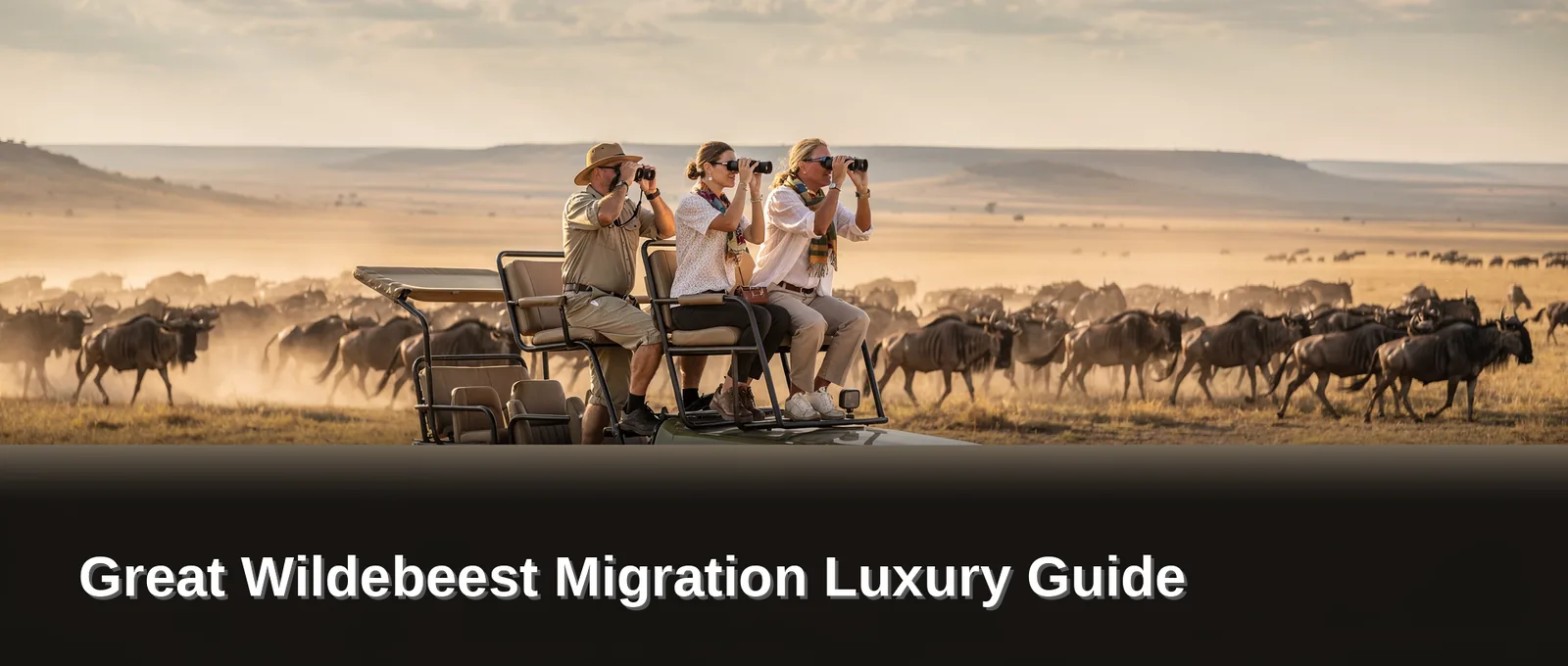
A luxury Great Migration safari in the Serengeti places guests at the heart of nearly 2 million wildebeest, joined by over 800,000 zebra and gazelle, moving as one super herd. Migsam Safaris curates bespoke itineraries timed to river crossings or calving season, ensuring front-row access to this unparalleled wildlife spectacle.
Timing and Movement: Following the Great Migration Across the Serengeti
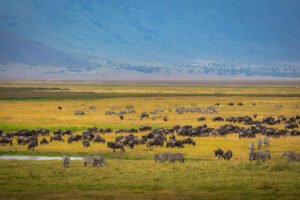
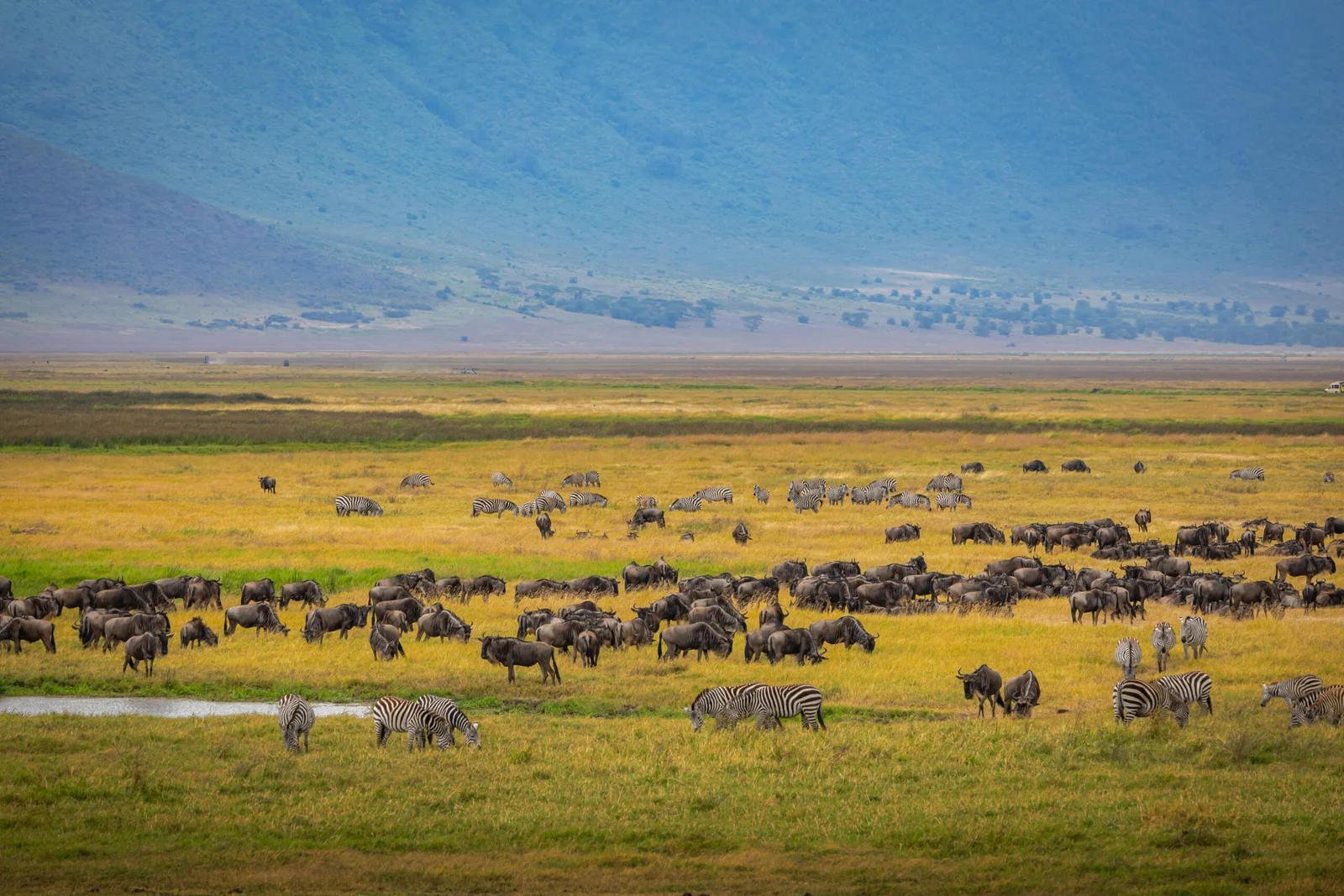
The Great Wildebeest Migration follows a predictable annual circuit through the Serengeti ecosystem. Nearly 2 million wildebeest, joined by over 800,000 zebra and gazelle, form one super herd that moves continuously across Tanzania’s Serengeti plains. The 800-kilometer trek stands as the largest mammal migration on earth, timed precisely with the greening of nutritious grasses during the wet season.
A Serengeti migration guide must account for the herd’s relentless movement. The migration never stops. Herds move all year, offering a distinct chapter to witness from calving to the long march north and the return south. Travelers who fixate on a single month risk missing the spectacle entirely. Those who understand the seasonal rhythm position themselves for the most dramatic encounters.
Where Are the Herds During Calving Season?
Calving season unfolds between January and March in the southern Serengeti and Ndutu region. Roughly half a million calves are born during this period, transforming the short-grass plains into a nursery of staggering scale. Predator activity intensifies as lions, cheetahs, and hyenas converge on the vulnerable newborns. Photographers favor these months for the soft green light and concentrated wildlife action.
When Do the River Crossings Peak?
River crossings peak between July and October in the northern Serengeti at Kogatende and across the border in the Masai Mara. August and September offer the best odds of witnessing a crossing. The herds mass along riverbanks, hesitating for days before plunging into crocodile-infested waters. A Great Wildebeest Migration luxury safari positioned near these crossing points during peak months maximizes the probability of witnessing this defining moment.
The seasonal movement follows a clear pattern:
- January to March: Southern Serengeti and Ndutu, calving season with half a million births
- April to June: Long march north through the central and western Serengeti
- July to October: Northern Serengeti at Kogatende, peak river crossing period
- November to December: Return south as rains green the plains again
Migsam Safaris structures bespoke Tanzania safari itineraries around this calendar. Migsam Safaris structures itineraries around this calendar, placing guests in handpicked luxury lodges where hospitality meets nature’s untouched beauty.
The cost of poor timing is substantial. A traveler arriving in the southern Serengeti during October finds empty plains where half a million calves stood months earlier. A traveler positioned in the central Serengeti during peak crossing season misses the river drama entirely. The migration’s predictability is the client’s greatest asset, and ignoring the seasonal map forfeits that advantage.
A Serengeti safari planned without reference to the migration calendar delivers a diminished experience. The herds’ location dictates predator concentrations, photographic opportunities, and the overall intensity of game viewing. Migsam Safaris applies this timing framework to every itinerary, ensuring clients arrive where the action is, not where it was.
Luxury Lodges vs. Exclusive Mobile Migration Camps
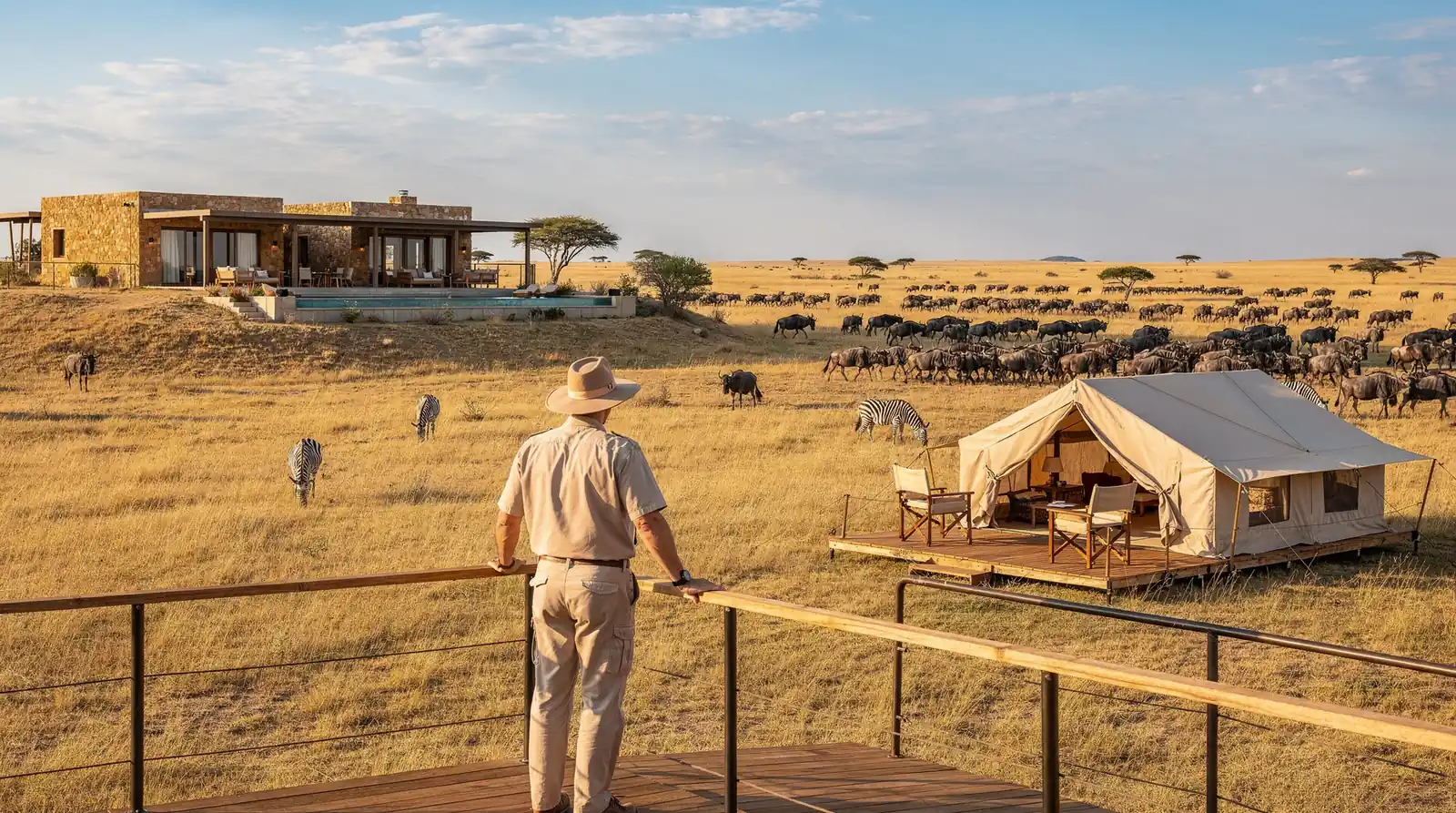
Luxury Serengeti safari camps divide into two distinct categories. Permanent lodges offer fixed-location comfort while exclusive mobile camps follow the herds.
The Great Wildebeest Migration dictates this fundamental choice. A luxury Serengeti safari camp anchored to one site provides consistent amenities and predictable surroundings. A mobile camp relocates seasonally, positioning guests within minutes of the action. Neither option is inherently superior. The decision hinges on a traveler’s tolerance for unpredictability versus their appetite for proximity.
What is the difference between a permanent lodge and a mobile camp?
Permanent lodges feature solid structures with en-suite bathrooms, swimming pools, and fine-dining restaurants. Mobile camps deploy canvas tents with bucket showers and camp beds. The trade-off is straightforward. Lodges deliver resort-grade comfort. Mobile camps deliver unmatched wildlife access. A Serengeti migration guide from Private Tours Cape Town notes that river crossings peak from July through October in the northern Serengeti. A mobile camp stationed near the Mara River during these months places guests at a crossing point within a short drive. A permanent lodge in the central Serengeti requires a longer transit, potentially missing the critical moment.
How much does a luxury mobile camp cost compared to a lodge?
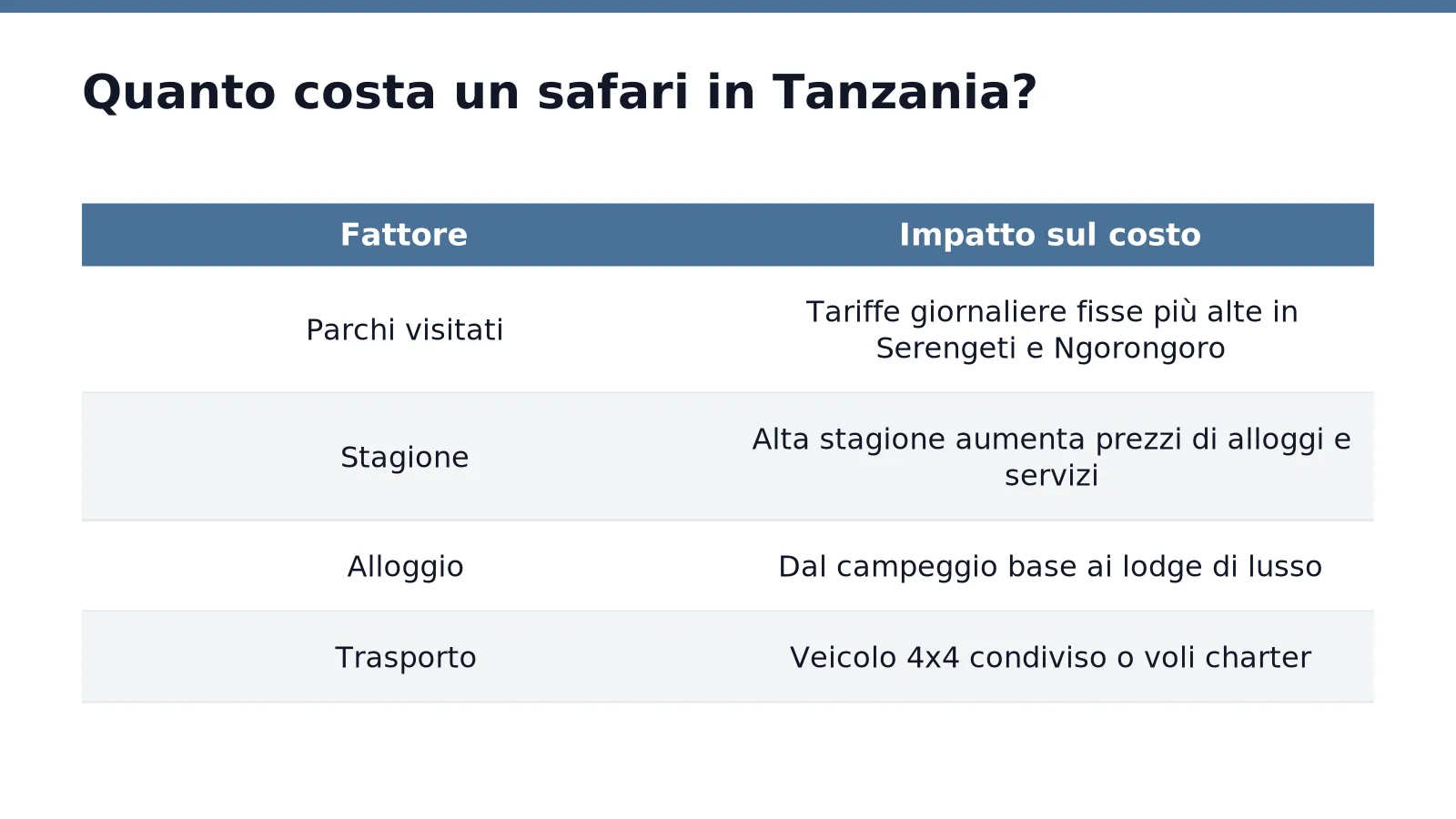
Camp pricing varies by tier and season. Park fees, conservancy fees, and internal flights typically add to this base cost. Mobile camps often command premium rates during peak crossing season despite their simpler infrastructure. The premium reflects location, not thread count. A tent positioned on a migration corridor in September costs more than a suite in a permanent lodge located hours from the herds.
The Serengeti safari season shapes the recommendation. Calving season from January through March concentrates herds in the southern Serengeti. A mobile camp in the Ndutu region during these months positions guests amid roughly 500,000 newborn calves and heightened predator activity. A permanent lodge in the same area offers similar access with greater comfort. The distinction sharpens during the dry season when herds scatter across vast distances. Mobile camps then provide an advantage that fixed locations cannot match.
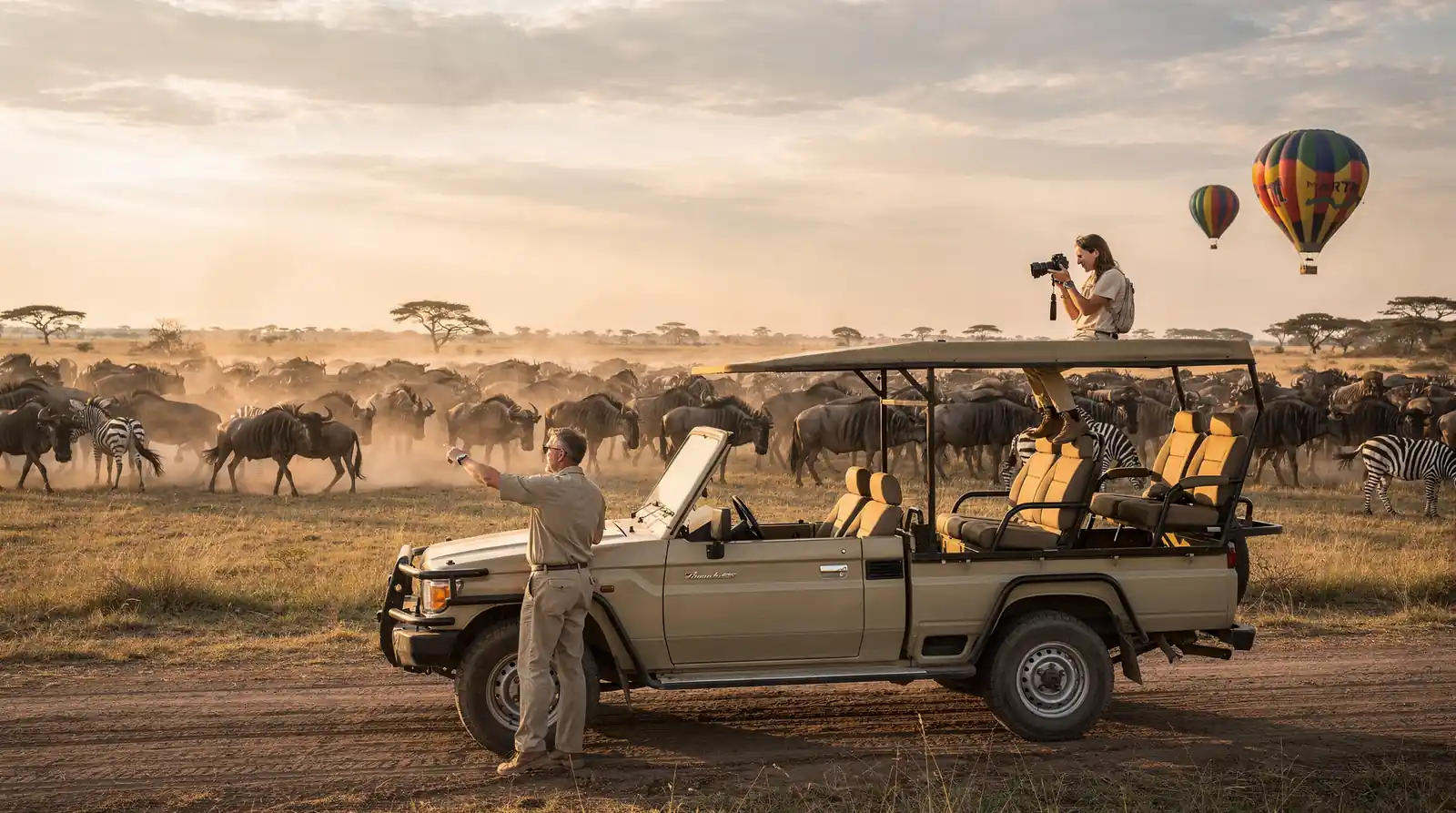
Unforgettable Safari Experiences: Private Guided Drives, Balloon Flights & Photography
A Great Wildebeest Migration luxury safari delivers three signature experiences that define the Serengeti. Private guided drives, hot air balloon flights, and specialized photography sessions transform wildlife observation into an art form. Each approach reveals a different dimension of the migration’s raw drama.
Private guided drives form the backbone of any Serengeti migration guide experience. Master guides navigate the vast plains with intimate knowledge of herd movements and predator territories. These experts position vehicles at prime vantage points hours before the action unfolds. The payoff is immediate. Dramatic river crossings and increased predator activity become personal spectacles rather than distant events witnessed among crowds. A private guide reads animal behavior in real time, anticipating when wildebeest will finally surge across crocodile-infested waters.
Timing determines everything. The Great Wildebeest Migration follows ancient rhythms that experienced guides decode through years of observation. Crossings are not guaranteed, as the Ultimate Great Migration Safari Guide 2026 emphasizes. Wildlife remains unpredictable despite all planning. Staying at least four to five nights near the river and traveling with a private guide stacks the odds in the traveler’s favor. This extended presence near crossing points means guests witness moments that shorter visits inevitably miss.
What makes a private guided drive different from a group safari?
Private drives offer complete itinerary control and uninterrupted wildlife observation. Guides adapt instantly to unfolding events rather than following fixed schedules. Guests spend hours at a river crossing without pressure to move on. The vehicle becomes a mobile photography platform positioned precisely for optimal light and composition.
Hot air balloon safaris over migrating herds provide an entirely different perspective. Launching at dawn, balloons drift silently above the Serengeti plains as the migration stretches to the horizon. From this elevation, the sheer scale of nearly two million animals becomes comprehensible. The Luxury Great Migration Safari source notes that dramatic river crossings and predator activity define the migration experience. Viewed from above, these events reveal patterns invisible at ground level. Predators stalk the herd’s edges. Calves stay centered within the mass. The choreography of survival plays out across miles of savannah.
Luxury Serengeti safari camps position guests within striking distance of both driving routes and balloon launch sites. Proximity matters. Camps in the northern Serengeti during crossing season eliminate long transit times. Southern camps during calving months place photographers directly in the action. Migsam Safaris crafts personalized itineraries around these seasonal movements, ensuring each journey aligns with the migration’s current location.
When is the best time for wildlife photography during the migration?
Calving season from January through March in the southern Serengeti and Ndutu region offers the finest photography conditions. The Ultimate Great Migration Safari Guide 2026 identifies soft green light, roughly 500,000 newborns, and peak predator action as defining features of this period. Predators concentrate around the vulnerable calves. Every dawn brings fresh drama. The light during these months carries a clarity that transforms ordinary images into portfolio pieces.
A bespoke Tanzania safari integrates photography instruction with strategic positioning. Guides who understand camera equipment and wildlife behavior coach guests toward technically superior images. They know which water crossings face the morning sun. They recognize when a lioness shifts from resting to hunting posture. This expertise converts a Serengeti safari from passive observation into active image-making. The result is a collection of photographs that capture not just what guests saw, but what they felt standing at the center of earth’s greatest wildlife spectacle.
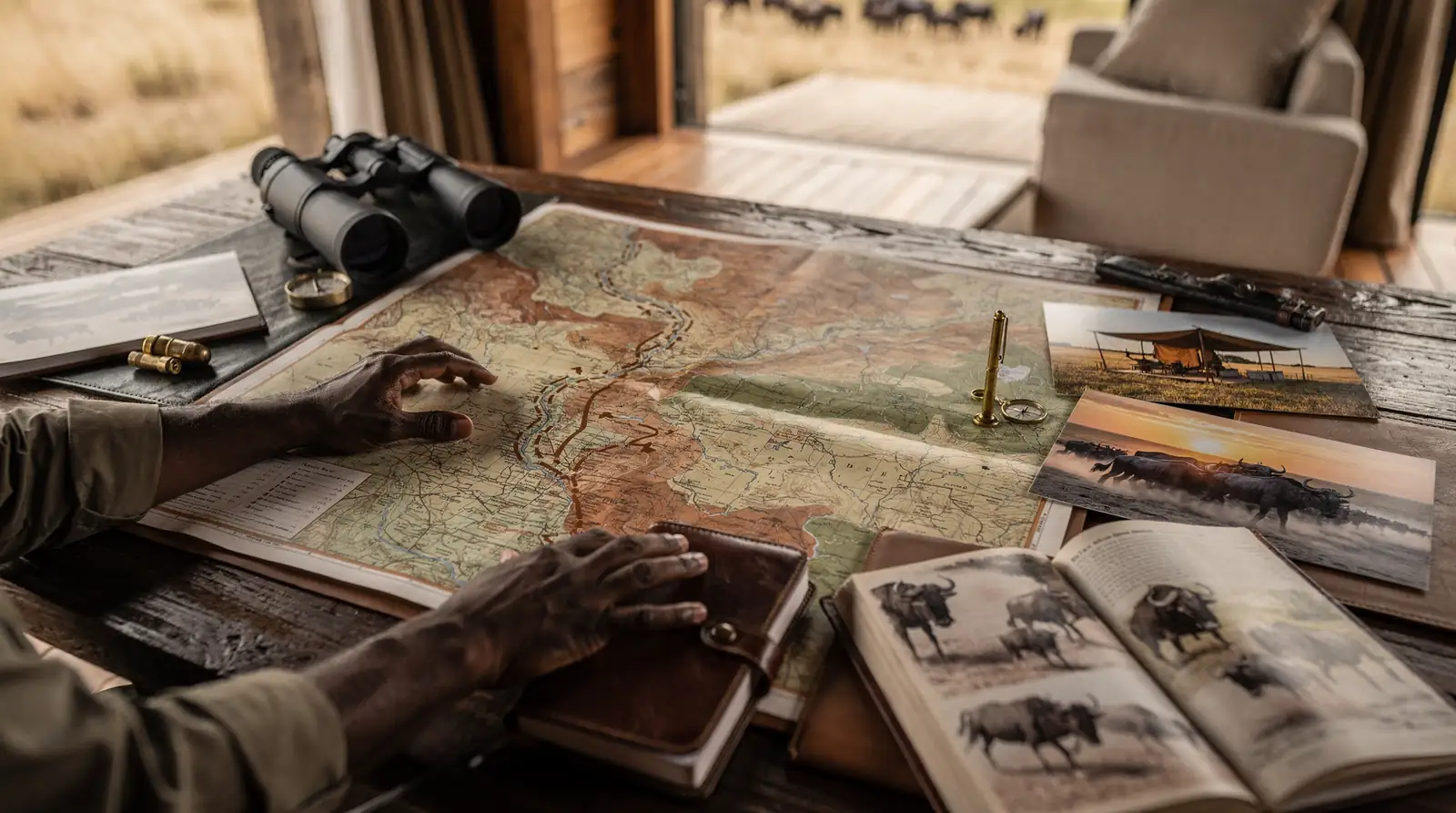
Bespoke Safari Planning with Migsam Safaris & Simon Maguga
A bespoke Tanzania safari with Migsam Safaris begins with founder Simon Maguga. His decade of field experience in the Serengeti and Ngorongoro regions shapes every itinerary. The company does not offer pre-packaged tours. Each journey is built from scratch around a client’s specific interests, travel dates, and comfort preferences.
Simon Maguga was born in Tanzania’s Mara Region. That upbringing placed nature and community at the center of daily life. His professional background spans more than ten years working directly in and around the Serengeti ecosystem. This is not secondhand knowledge. It is terrain he has navigated season after season, tracking wildlife movements and building relationships with local communities. Clients gain access to a planner who reads the landscape intuitively. The result is an itinerary that aligns with real-time conditions rather than generic assumptions.
How does Migsam Safaris personalize a Serengeti migration safari?
The planning process starts with a direct consultation. Migsam Safaris maps the client’s priorities: photography goals, predator sightings, river crossing ambitions, or calving season encounters. The Great Wildebeest Migration follows a continuous annual circuit. A Serengeti migration guide without local calibration misses the herd’s actual position. Simon Maguga’s team tracks the columns in real time. They position mobile camps accordingly. They adjust daily game drive routes based on fresh intelligence from the bush. This precision separates a well-timed sighting from a missed opportunity.
Accommodation selection follows the same tailored logic. The company draws on deep familiarity with luxury Serengeti safari camps across the northern, central, and southern sectors. Some camps sit near the Mara River for crossing season access. Others occupy the short-grass plains of Ndutu during calving months. Migsam Safaris matches each property to the migration’s phase and the client’s tolerance for remoteness versus amenity density. No two itineraries use the same camp sequence.
What support does Migsam Safaris provide during the safari?
End-to-end service defines the client experience. Tanzania-based safari experts handle every logistical layer. This includes domestic flight bookings, camp reservations, park fees, and ground transfers. Clients receive 24/7 personal support from the initial inquiry through the final departure. A dedicated contact remains available throughout the journey. Problems on the ground do not wait for business hours. The company’s continuous availability prevents small disruptions from escalating into itinerary failures.
The guides themselves function as more than drivers. Migsam Safaris positions its team as storytellers and conservation advocates. Each Serengeti safari becomes an educational immersion. Guides explain predator-prey dynamics, migration ecology, and the cultural significance of the landscapes traversed. Intimate cultural connections with Maasai and other local communities are woven into the journey. These are not staged performances. They emerge from the company’s long-standing community relationships.
Local integration runs through the company’s operations. Migsam Safaris hires locally and channels economic benefits into the communities surrounding Tanzania’s protected areas. This approach supports sustainable tourism practices while giving clients access to authentic cultural perspectives. The company’s deep-rooted local expertise stems from Simon Maguga’s personal history in the Mara Region. That foundation cannot be replicated by operators without permanent roots in northern Tanzania.
A Great Wildebeest Migration luxury safari demands logistical precision and ecological literacy. Migsam Safaris delivers both through a planning model that treats every booking as a unique project. The founder’s direct involvement ensures institutional knowledge flows into each itinerary. Clients do not receive a template. They receive a strategy built on ten years of Serengeti field experience.
Seamless Extensions: Ngorongoro Crater & Zanzibar Retreats
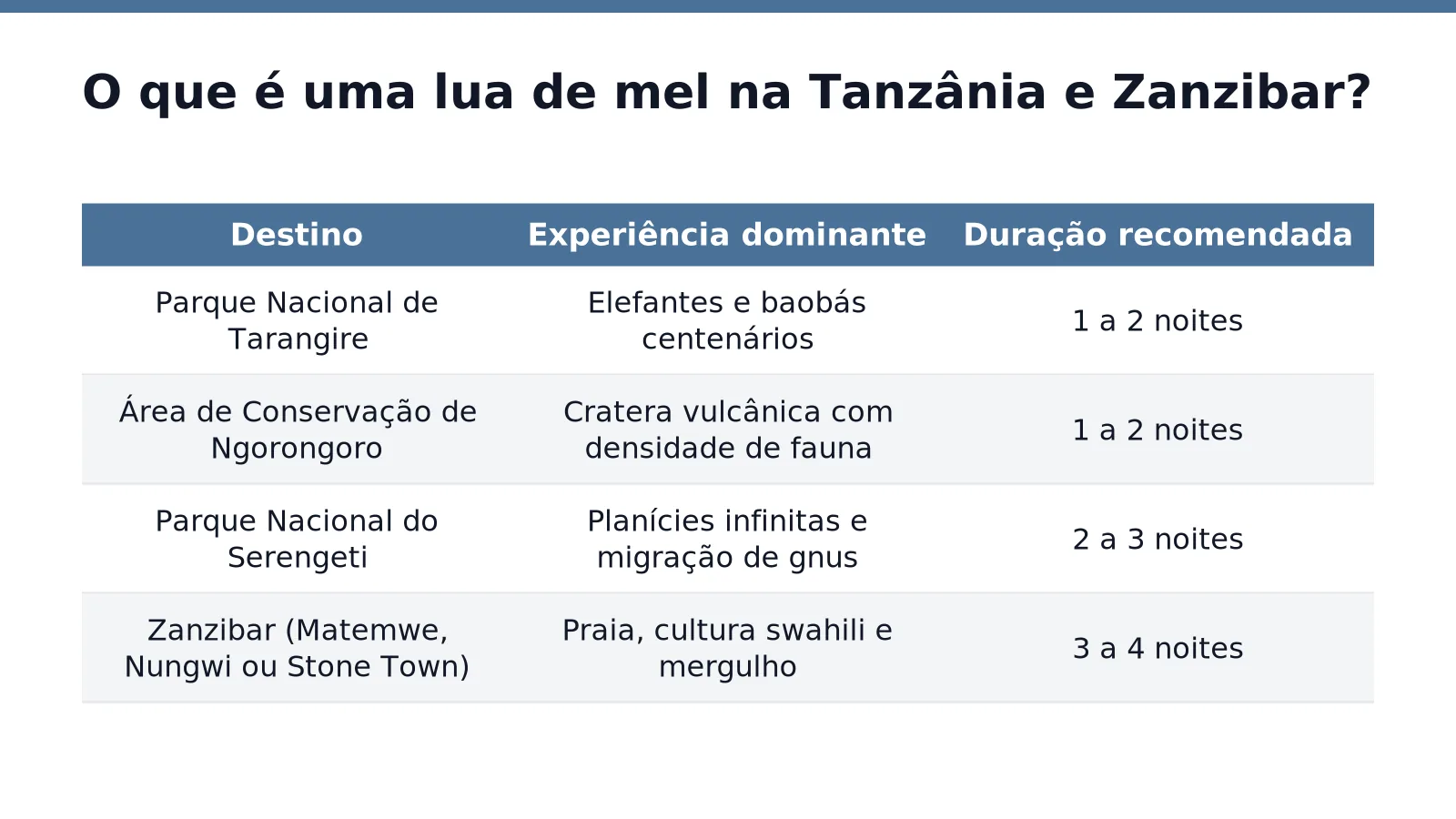
A bespoke Tanzania safari itinerary extends naturally beyond the Serengeti plains. The Ngorongoro Crater and Zanzibar’s coastline represent two contrasting yet complementary chapters that transform a focused wildlife expedition into a multi-dimensional journey.
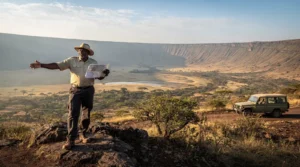
The Ngorongoro Crater delivers concentrated wildlife encounters unmatched anywhere in Africa. Descending 600 meters to the crater floor places travelers inside a natural amphitheater where the Big Five roam in close proximity. Black rhino, lion, elephant, buffalo, and leopard inhabit this collapsed caldera. The density of game eliminates long drives between sightings. A single morning produces more species diversity than days spent in less concentrated ecosystems. Migsam Safaris structures crater visits to maximize these compressed viewing windows, positioning vehicles at the floor before the day-trip crowds arrive.
What cultural experiences accompany a Ngorongoro visit?
Maasai communities inhabit the Ngorongoro Conservation Area alongside the wildlife. Travelers meet Maasai warriors and learn their culture through village visits that reveal pastoralist traditions unchanged for generations. These encounters provide context for the landscape itself. The Maasai’s coexistence with predators and their sustainable grazing practices explain why this UNESCO site functions as both a natural wonder and a living cultural landscape.
The crater’s geological drama demands at least one full day. Migsam Safaris incorporates a dedicated Ngorongoro day within longer itineraries, including the 12-day private luxury safari that pairs crater exploration with extended Serengeti game drives. Morning light illuminates the soda lake where flamingos congregate. Afternoon shadows reveal lions stalking zebra across open grasslands. The enclosed nature of the crater creates a self-contained safari experience that complements the Serengeti’s vast, migratory scale.
How does Zanzibar fit into a Serengeti migration safari?
Zanzibar provides the sensory reset that follows intense game viewing. After days of pre-dawn starts and dust-choked tracks, mainland Serengeti safari camps give way to beachfront villas and boutique resorts. The transition from savannah to Indian Ocean occurs within a single travel day. Migsam Safaris arranges seamless transfers from northern Tanzania’s airstrips to Zanzibar’s Stone Town or coastal properties.
The island’s offerings split between cultural immersion and pure relaxation. Stone Town’s spice markets, carved doors, and winding alleys reveal centuries of Swahili, Arab, and European influence. North and east coast beaches deliver the post-safari decompression that high-end travelers expect. Private plunge pools, dhow cruises at sunset, and reef snorkeling replace the adrenaline of predator sightings with deliberate stillness. This contrast sharpens the overall journey. Without it, safari fatigue accumulates. With it, travelers return home having experienced Tanzania’s full geographic and sensory range.
Lake Manyara and Ndutu add further dimension for those extending their mainland itinerary. Exploring Lake Manyara’s diverse habitats reveals tree-climbing lions and vast flamingo flocks. Witnessing the Great Wildebeest Migration in Ndutu during calving season places travelers among roughly 500,000 newborns and heightened predator activity. These locations stitch together a route that moves from the Serengeti’s southern plains through the Ngorongoro Highlands and onward to the Indian Ocean. Each segment operates on its own rhythm. The cumulative effect is a journey that never feels rushed yet never wastes a day.
Conclusion
A Great Wildebeest Migration luxury safari demands logistical precision and ecological literacy. Clients do not receive a template.