A Ngorongoro Crater safari requires strategic planning to maximize the five-to-six-hour game drive on the 260-square-kilometer caldera floor. Guests staying on the crater rim gain a critical advantage, descending at 6:00 AM before crowds arrive from Karatu. Migsam Safaris provides expert-guided itineraries for this premier wildlife destination.
Overview of the Ngorongoro Volcanic Caldera
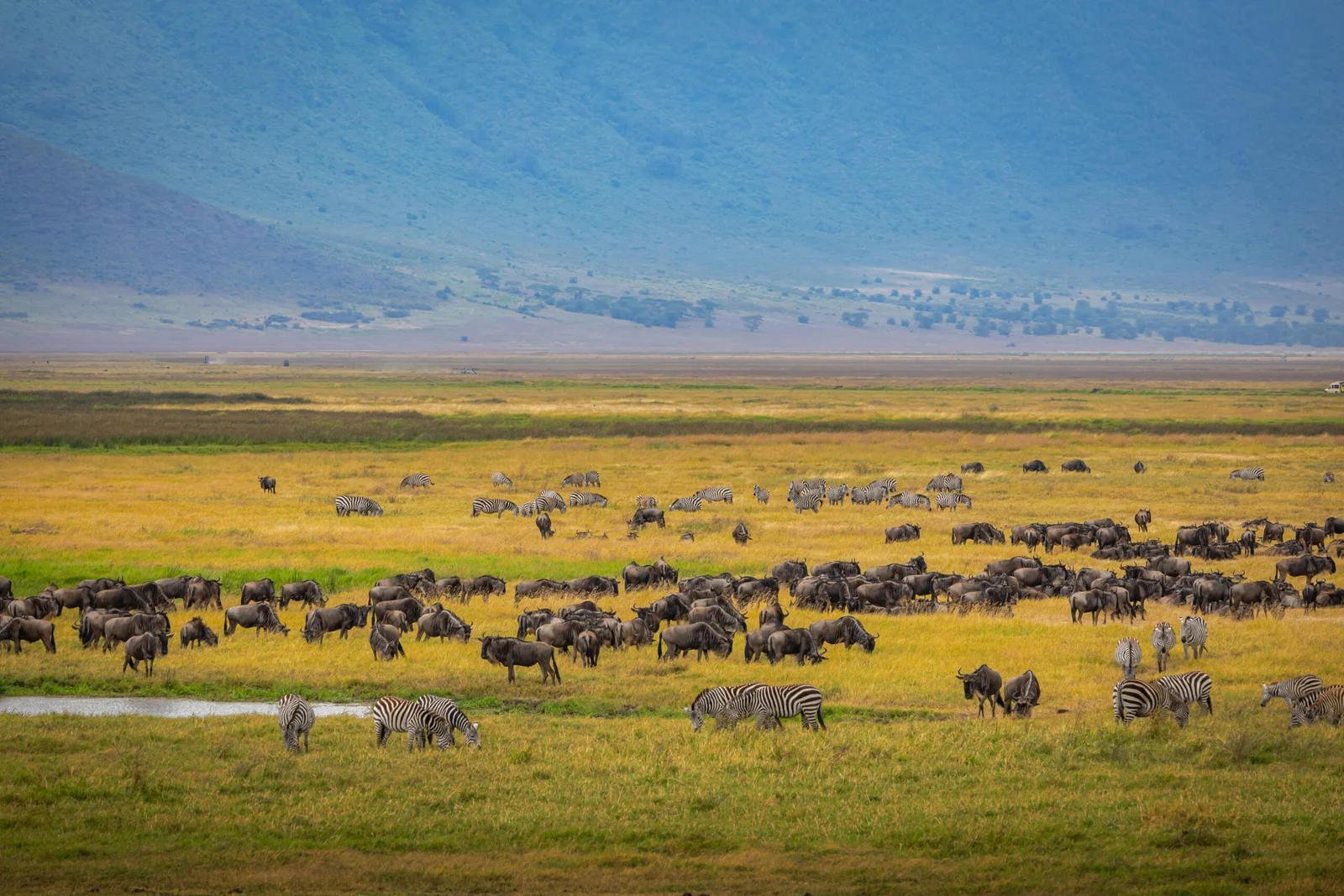
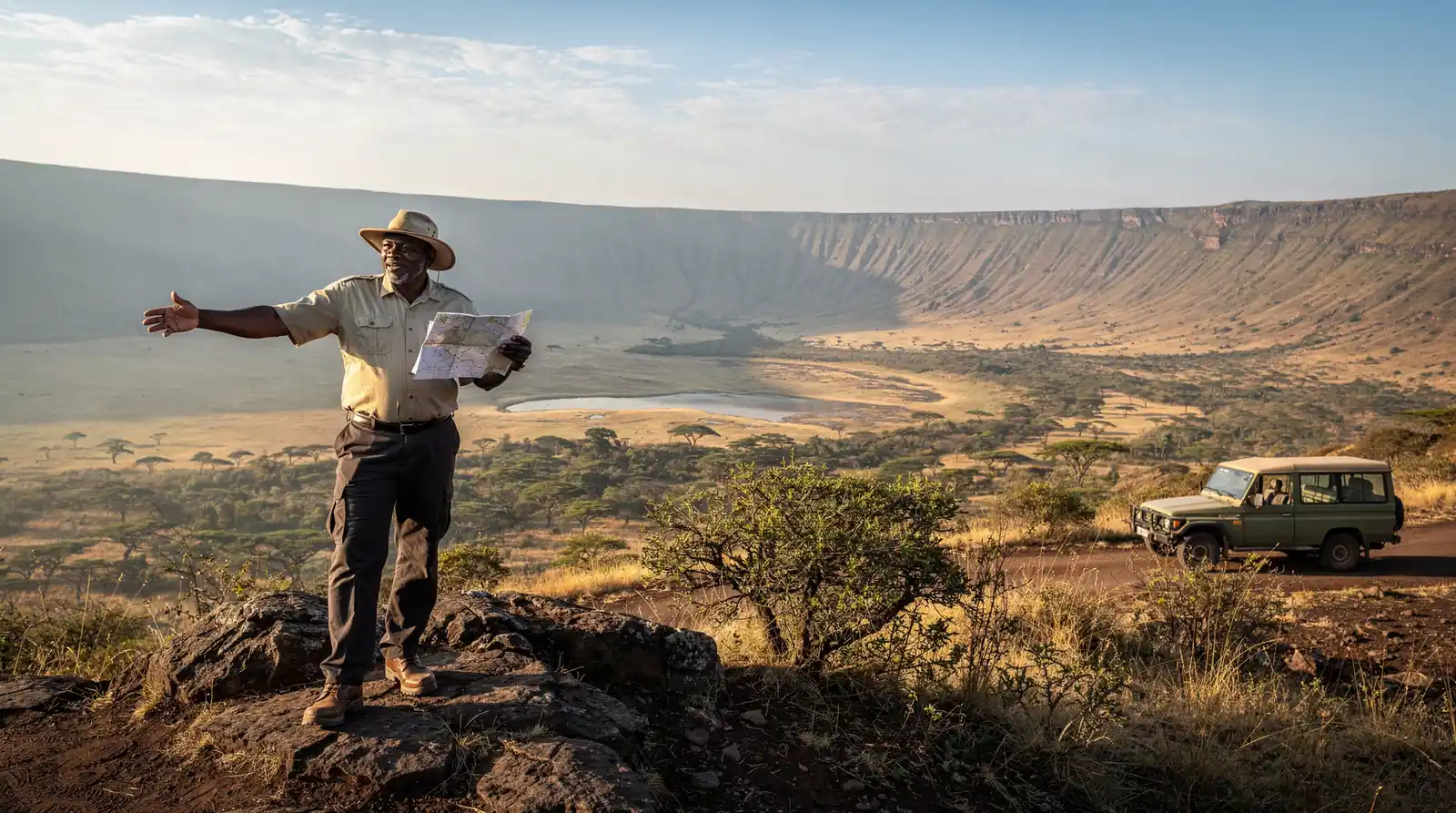
The Ngorongoro Crater is a volcanic caldera in northern Tanzania, not an impact crater or a still-active volcano. This distinction matters because the geological collapse that formed it created an enclosed ecosystem unlike any other on the continent. The caldera spans 260 square kilometers of floor habitat, ringed by steep walls that rise to approximately 2,300 meters at the rim. Those walls act as a natural boundary, concentrating wildlife within a defined area and producing some of the densest large-mammal populations in Africa.
The crater sits within the broader Ngorongoro Conservation Area, a protected region that holds UNESCO World Heritage status. Unlike Tanzania’s national parks, the Conservation Area permits Maasai pastoralists to live alongside wildlife, creating a mixed-use landscape where livestock and predators share the same grasslands. This arrangement predates modern conservation frameworks and continues under regulated grazing agreements.
How did the Ngorongoro Crater form?
The caldera originated roughly two to three million years ago when a massive volcano, once comparable in height to Mount Kilimanjaro, erupted and collapsed inward. The magma chamber emptied during the eruption, removing structural support beneath the cone. The entire summit then subsided, leaving the steep-walled depression visible today. Subsequent geological activity produced smaller cones and soda lakes on the crater floor, including Lake Magadi, a seasonal alkaline lake that attracts flamingos during wet periods.
What makes the crater’s ecosystem unique?
The enclosed habitat supports a high density of large animals, according to the Ngorongoro Crater Safari planning guide published by Duma Explorer in August 2026. This figure includes all members of the Big Five: lion, leopard, elephant, buffalo, and the critically endangered black rhinoceros. The crater walls limit migration, meaning many herbivore populations remain year-round rather than following seasonal rainfall patterns. Permanent water sources on the floor sustain these resident herds, which in turn support a stable predator population. Migsam Safaris guides travelers through this Ngorongoro Crater landscape, where the combination of geological isolation and reliable resources produces game-viewing reliability that few other African destinations match.
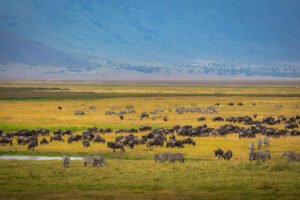
The caldera’s elevation creates a cooler microclimate than the surrounding plains. Morning temperatures at the rim are often cool, and mist frequently blankets the highland forest before burning off by mid-morning. Descending to the floor, visitors encounter open grasslands, acacia woodlands, and freshwater marshes, each zone hosting distinct species assemblages. This compressed ecological diversity, packed into a single day’s game drive, defines the crater’s enduring appeal for safari travelers.
Big Five Wildlife & The Black Rhino Sanctuary
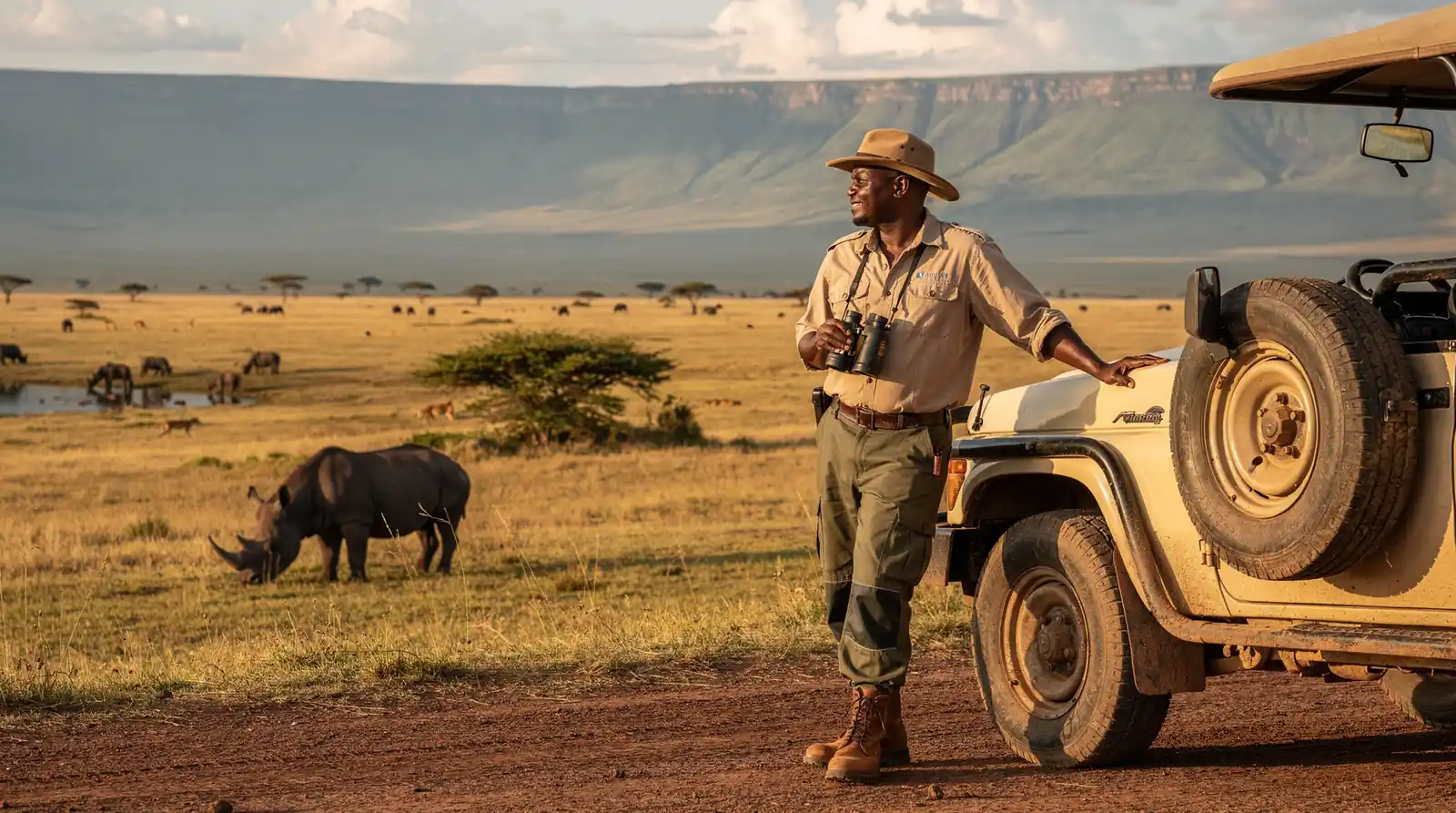
The Ngorongoro Crater ranks among Africa’s finest locations for observing all five members of the Big Five in a single game drive. The ngorongoro crater safari experience delivers concentrated wildlife viewing across a 260-square-kilometer caldera floor where lion, leopard, elephant, buffalo, and critically endangered black rhino coexist in remarkable density.
The crater’s enclosed geography creates a natural sanctuary. Unlike the sprawling Serengeti plains where animals disperse across thousands of kilometers, the caldera walls contain populations within a defined arena. This containment produces extraordinary encounter rates. A complete tanzania safari ngorongoro crater itinerary positions travelers for sightings that would require days of searching elsewhere on the northern circuit.
Why is the Ngorongoro Crater considered a black rhino sanctuary?
The crater functions as an unofficial refuge for the critically endangered black rhino. While Tanzania’s northern safari circuit offers superb wildlife viewing overall, rhino sightings prove far more difficult outside the caldera. A few rhino populations exist within Serengeti National Park boundaries, but including the crater in any itinerary maximizes the probability of encountering this rare species.
The black rhino population within the crater remains one of East Africa’s most significant breeding groups. These animals find protection in the caldera’s inaccessible terrain and permanent water sources. Morning game drives frequently yield sightings as rhinos graze on the open grasslands before retreating to thicker cover during midday heat.
What other Big Five species can visitors expect to see?
Lion prides dominate the crater floor, with some of Tanzania’s highest-density populations. The resident lions exhibit distinctive behaviors, including cooperative hunting strategies adapted to the open grassland environment. Elephant bulls, some carrying impressive tusks, move between the Lerai Forest and seasonal water sources throughout the day.
Cape buffalo congregate in large herds numbering hundreds of individuals. These formidable bovids attract lion attention, creating dramatic predator-prey interactions that unfold regularly on the crater floor. Leopard sightings require sharper observation, as these solitary cats favor the acacia woodlands along the crater’s margins. The combination of all five species in one contained ecosystem makes the ngorongoro national park tanzania experience unmatched for Big Five enthusiasts.
The best place to stay at ngorongoro crater positions guests for early-morning descents when wildlife activity peaks. Rim-side accommodations allow entry at 6:00 AM, well before day-trippers arrive from Karatu. This timing advantage proves decisive for photographers and serious wildlife observers seeking undisturbed encounters with the crater’s most elusive residents.
Seasonal Timings: Dry Season vs Calving Season
The Ngorongoro Crater delivers two distinct wildlife viewing windows, each offering fundamentally different experiences. January through February and June represent the optimal months for a Ngorongoro Crater safari, according to the Ngorongoro Crater Safari Complete 2026 Planning Guide. These periods align with dry conditions that concentrate animals around permanent water sources on the 260-square-kilometer crater floor.
A typical game drive spans five to six hours, as noted in the same planning guide. This duration allows thorough coverage of the crater’s diverse habitats. The dry season from June to October produces exceptional visibility. Vegetation thins out. Water sources shrink. Predators become more predictable as prey species cluster near remaining pools and marshes. Photographers benefit from clear skies and golden light that lasts well into the afternoon.
The calving season from December to March transforms the landscape entirely. Short rains paint the crater walls emerald green. Wildebeest and zebra drop their young across the nutrient-rich grasslands. This seasonal pulse attracts predators in concentrated numbers. Lions follow the herds. Hyenas patrol the nursery areas. The action unfolds against a backdrop that shifts from dusty gold to lush vibrancy within weeks.
What makes the dry season better for first-time visitors?
First-time visitors gain clearer wildlife sightings during the dry months. Animals stand out against shorter grass and bare earth. The logistics also favor dry-season travel. Roads remain firm. Game drives proceed without interruption. The crater floor’s compact geography means a five to six hour drive covers substantial ground, and dry conditions maximize every minute of that window.
How does the calving season change the safari experience?
The calving season introduces dramatic predator-prey interactions absent during drier months. Newborn wildebeest struggle to their feet within minutes of birth. Cheetahs and lions target these vulnerable calves. The landscape itself becomes a photographic subject. Rolling green hills replace the dry season’s amber tones. Visitors witness the full cycle of life compressed into a single, enclosed ecosystem.
Visiting the Ngorongoro Crater is a once-in-a-lifetime experience, as A Complete Guide To Visiting The Ngorongoro Crater emphasizes. The crater can be overwhelmingly busy at certain times of the year, particularly during peak dry-season months when demand surges. Travelers seeking the calving season’s unique drama may consider a dedicated itinerary like a 5-day Ndutu calving season safari that combines southern Serengeti plains with Ngorongoro game drives. Timing the visit correctly determines whether guests encounter solitude or share sightings with numerous other vehicles.
Where to Stay: Luxury Rim Lodges vs Karatu Estates
A ngorongoro crater lodge perched on the caldera rim delivers immediate 6:00 AM descent access. A Karatu estate offers lower nightly rates and a quieter setting. The trade-off is time: rim properties eliminate the 45-minute drive from Karatu to the descent gate.
The AfricanMecca Ngorongoro Room Rate Guide structures accommodations into three distinct tiers: Premier, Deluxe, and Value. This framework helps travelers match lodging to both budget and experience expectations. Rim properties dominate the Premier category. Karatu estates span Deluxe and Value tiers.
What does a Premier-tier Ngorongoro Crater rim lodge cost per night?
Premier-tier ngorongoro crater safari lodging starts at a premium rate per person per night sharing, according to the AfricanMecca Ngorongoro Room Rate Guide. Ultra-luxury rim properties top out at a higher rate per night for an exclusive experience. These rates are generally all-inclusive, covering rooming, meals, drinks where included, park fees, and guided safari activities.
Which rim lodges offer the best place to stay at Ngorongoro Crater?
The best place to stay at ngorongoro crater depends on priorities. Three properties define the rim experience: andBeyond Ngorongoro Crater Lodge, The Highlands, and Ngorongoro Serena Safari Lodge. Each offers direct caldera views and early descent capability. Guests at these lodges enter the crater floor before crowds arrive from Karatu.
How do Karatu estates compare for a Tanzania safari Ngorongoro Crater itinerary?
A tanzania safari ngorongoro crater itinerary using Karatu estates trades rim proximity for cost savings and seclusion. These properties sit among coffee plantations and valley slopes roughly 20 kilometers from the ngorongoro national park tanzania entry gate. The drive adds 45 minutes each way. The benefit is a lower nightly rate, often in the Deluxe or Value tier, with comparable service quality and a more relaxed pace.
The rim commands a premium for one reason: time on the crater floor without competition. Karatu delivers a quieter overnight experience at a fraction of the cost. Neither choice is wrong. The decision hinges on whether early access or budget flexibility matters more.
Crater Floor Logistics: 6-Hour Descent Rules & Game Zones
A Ngorongoro Crater safari operates under a strict six-hour game drive permit on the 260-square-kilometer crater floor. The Ngorongoro Conservation Area Authority enforces this time limit to manage vehicle density and protect the ecosystem. Fees for this access run roughly $400 to $550 or more per couple, according to the Ngorongoro Crater Safari 2026 Planning Guide, before vehicle and guide costs are added. Exceeding the permitted window triggers financial penalties and ejection from the crater floor.
Staying at a Ngorongoro Crater lodge on the rim delivers a decisive logistical advantage. Rim accommodations allow guests to begin the descent at 6:00 AM, 45 minutes before vehicles arrive from Karatu. That head start places safari vehicles on the floor during peak predator activity, when lion and spotted hyena are still active from nighttime hunting. Late arrivals forfeit the quietest game-viewing window and encounter denser vehicle congestion by mid-morning.
How does the 6-hour permit system work in practice?
The clock starts when a vehicle passes through the descent gate and stops at the designated exit time. Guides track this window precisely. A typical schedule runs from 6:00 AM to noon, though afternoon half-day slots exist. The authority issues fines for overstaying, and repeat violations risk guide license suspension. Operators like Migsam Safaris structure morning itineraries to maximize every permitted minute without breaching the cutoff.
Which game zones inside the crater deliver the best sightings?
Three distinct habitats concentrate wildlife differently across the floor. Lake Magadi attracts large flocks of lesser flamingos and serves as a water source for herbivores during dry months. The Lerai Forest, dominated by yellow-barked acacia trees, shelters elephant, leopard, and the crater’s resident black rhino population. Mandusi Swamp offers reliable hippo viewing and draws grazing ungulates that, in turn, attract lion prides. Guides rotate through these zones based on recent sightings and seasonal water levels.
The descent road itself presents a logistical consideration. Vehicles use the Seneto descent route on the western wall, a steep switchback track that requires low-range gearing and experienced drivers. Morning fog on the rim occasionally delays entry by 20 to 30 minutes, compressing the usable game-drive window. Operators factor this variability into departure timing from rim lodges.
Authentic Maasai Cultural Visits & Conservation
Migsam Safaris designs cultural encounters that connect travelers directly with Maasai communities living on the Ngorongoro Crater rim. These visits unfold inside traditional boma homesteads, where families maintain pastoralist customs unchanged for generations. Guests witness daily rhythms rather than staged performances. The experience reveals how human settlement and wildlife coexist inside a UNESCO World Heritage site.
The Ngorongoro Conservation Area operates under a pioneering multiple land-use model. Unlike conventional national parks that exclude residents, this designation permits Maasai pastoralists to live alongside wildlife. Cattle graze the same grasslands that support zebra, wildebeest, and the crater’s dense predator population. This integrated approach preserves both ecological integrity and cultural continuity. Without it, traditional knowledge systems would erode within a single generation.
What happens during a Maasai village visit at Ngorongoro Crater?
Visitors enter a working boma, not a museum exhibit. Maasai hosts demonstrate cattle-herding techniques, explain medicinal plant uses, and perform the adumu jumping dance. Conversations with elders reveal oral histories tied to specific crater landmarks. Women display intricate beadwork, each color pattern encoding social meaning. These interactions last two to three hours, leaving time for questions about marriage customs, diet, and the challenges of raising livestock near large predators.
How does cultural tourism support conservation at Ngorongoro?
Revenue from cultural visits funds community priorities directly. Maasai families receive a portion of tourism fees, creating economic incentives to protect wildlife corridors. When a lion kills livestock, compensation programs reduce retaliatory hunting. Migsam Safaris reinforces this link by hiring local guides and sourcing supplies from nearby villages. The company’s founder, Simon Maguga, grew up in Tanzania’s Lake Zone and spent over a decade working in Serengeti and Ngorongoro ecosystems. That background shapes a commitment to community-led tourism that keeps benefits inside the conservation area.
Migsam Safaris acts as both storyteller and conservation advocate throughout these encounters. Guides translate not only language but context, explaining how Maasai land stewardship predates formal protected-area designations by centuries. A cultural experience with Migsam Safaris extends beyond wildlife viewing into the human dimensions of the Ngorongoro landscape. Guests leave understanding that the crater’s ecological richness depends on the people who have shaped it for millennia.
Crafting the Ultimate Itinerary: Pairing Ngorongoro with the Serengeti
A Ngorongoro Crater safari pairs naturally with the Serengeti’s endless plains. The two destinations sit just 140 kilometers apart in northern Tanzania, forming the core of the country’s northern safari circuit. Travelers who combine both ecosystems encounter the densest concentration of large mammals in Africa alongside the planet’s most dramatic wildlife migration.
Migsam Safaris structures multi-day circuits that move seamlessly from the crater highlands to the Serengeti lowlands. The company’s guided tours traverse Tanzania’s iconic landscapes, linking the Ngorongoro Conservation Area with Serengeti National Park through a logical geographic progression. This routing eliminates backtracking. It also positions guests for early-morning game drives when wildlife activity peaks.
What does a combined Ngorongoro and Serengeti itinerary look like?
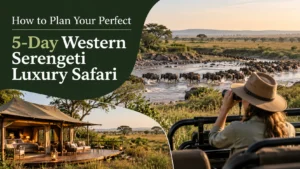
A standard combined itinerary dedicates one full day to the crater floor and two to three days to the Serengeti. The crater descent begins at 6:00 AM from a Ngorongoro crater lodge perched on the rim. Guests complete a five-to-six-hour game drive across the 260-square-kilometer caldera floor before ascending in the afternoon. The following morning, the journey continues west toward the Serengeti, with game viewing en route.
Migsam Safaris crafts personalized itineraries around each traveler’s interests and seasonal wildlife movements. A Tanzania safari Ngorongoro Crater itinerary during the dry season from June to October prioritizes river crossings in the northern Serengeti. The same circuit from January to March shifts focus to the southern plains where wildebeest calving occurs. This seasonal flexibility ensures guests witness the Great Migration’s most dramatic moments regardless of travel dates.
Which accommodation strategy works best for a combined safari?
The best place to stay at Ngorongoro Crater for a combined itinerary is a rim lodge. Rim properties eliminate the hour-long ascent from Karatu each morning. Guests descend into the crater at first light, ahead of the crowds arriving from outside the conservation area. After the crater segment, Serengeti accommodations shift to mobile camps or permanent lodges depending on the season and migration location.
A 9-day Great Migration safari demonstrates how Migsam Safaris sequences these destinations. The circuit moves from Tarangire through Ngorongoro and into multiple Serengeti zones, with routing adjusted to seasonal wildlife concentrations. Tailor-made safaris blend luxury lodges with authentic wilderness experiences. Clients receive 24/7 personal support from initial inquiry through the completion of their African adventure.
Ngorongoro National Park Tanzania status as a UNESCO World Heritage Site adds cultural depth to the wildlife focus. The conservation area protects Maasai grazing lands alongside the crater ecosystem. A well-designed itinerary treats the crater not as a brief stopover but as a full-day immersion before the Serengeti’s vast scale redefines the traveler’s sense of space.
Conclusion
A Ngorongoro Crater safari demands deliberate planning around entry timing, accommodation positioning, and cultural engagement. Travelers who invest in a rim lodge and a full-day crater descent gain access to the densest predator concentration in Africa without the crowds that arrive mid-morning. Pairing this immersion with a Serengeti circuit creates a logical geographic progression that maximizes early-morning game drives across both ecosystems. The decision to book through a specialist operator determines whether the itinerary adapts to seasonal wildlife movements or follows a rigid schedule.