
9 Days / 8 Nights
Serengeti · Tarangire · Ngorongoro
Comfort or Luxury Private Safari
Travelers who want migration context without an overpromised fixed route
$9,864.75 per person (sharing)
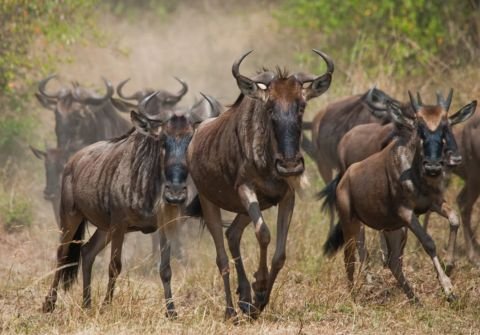
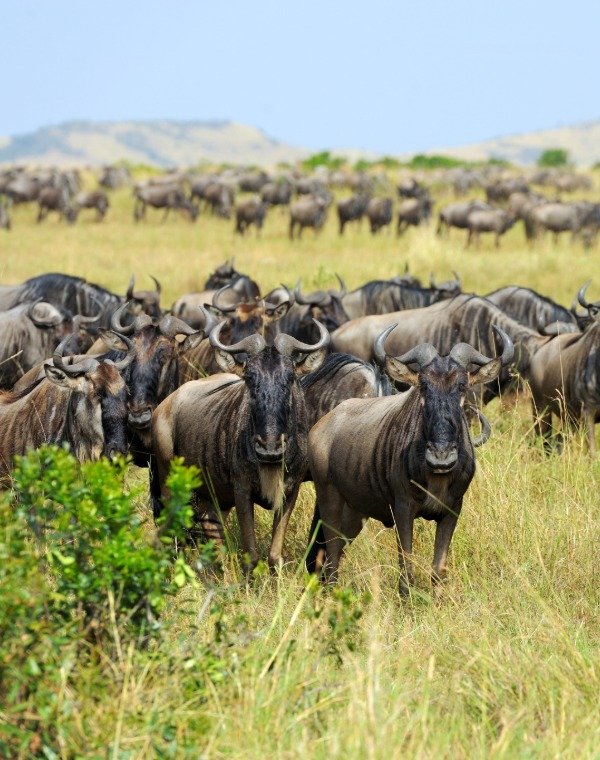
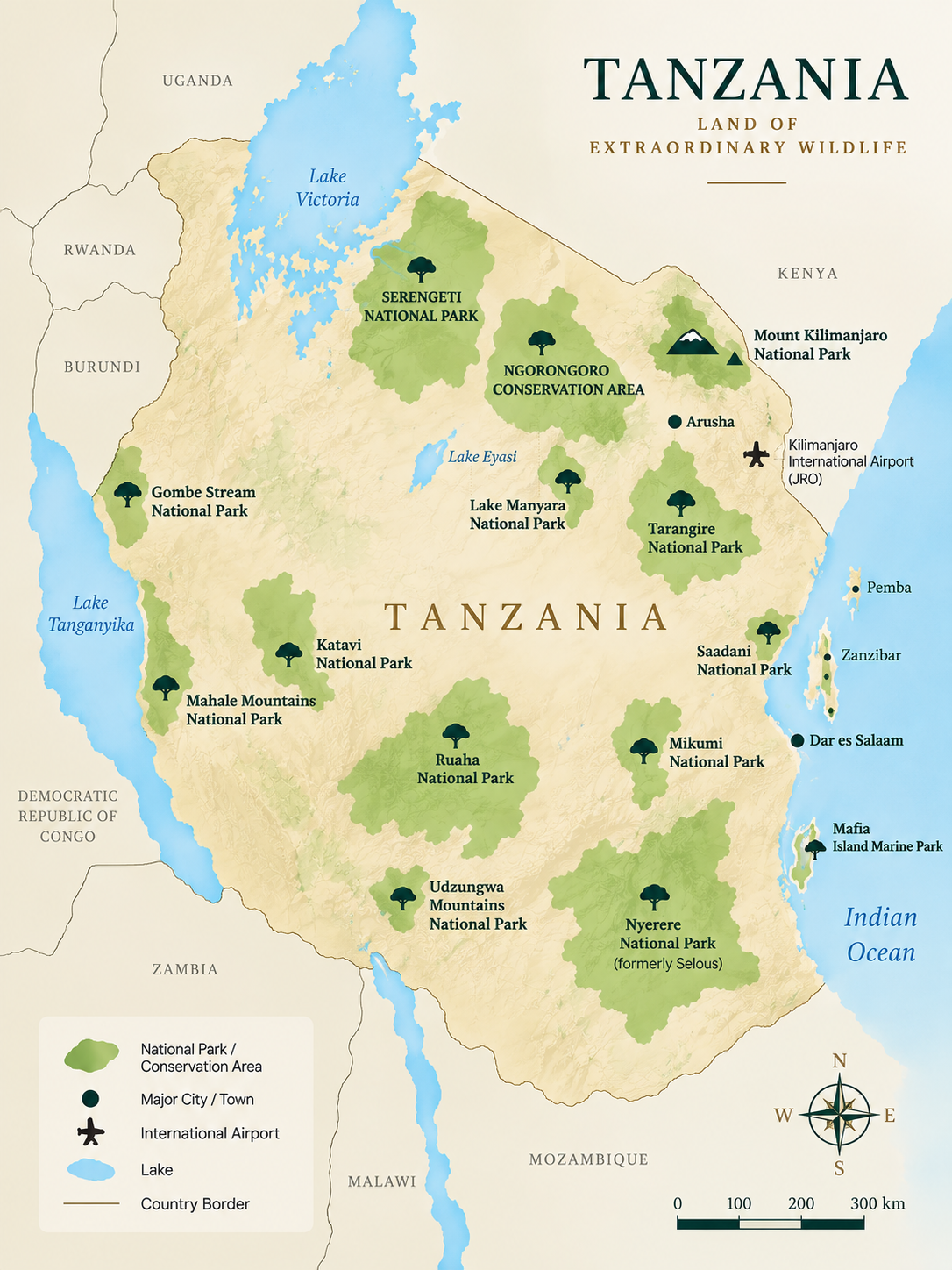
Experience Tanzania’s legendary wildlife and the Great Migration on this 9-day journey through Tarangire, Ngorongoro, Central Serengeti and a seasonal migration region.
Begin with the diverse landscapes of Tarangire and the spectacular Ngorongoro Crater, before continuing into the Serengeti’s plains, river valleys and kopjes. As the journey progresses, travel toward the migration zone best suited to your travel dates, where private game drives follow current wildlife movements and seasonal conditions. Pasted markdown
Spend several days immersed in the seasonal wilderness, with flexible routes designed around fresh sightings, rainfall and herd movements. The safari concludes with a final game drive and bush flight back to Arusha.
A carefully timed safari combining iconic landscapes, exceptional wildlife and flexible seasonal routing for a truly immersive Tanzanian adventure.
SIGNATURE EXPERIENCES
Every journey is crafted around unforgettable wildlife encounters, luxury stays, and authentic African adventures.
A DAY-BY-DAY ITINERARY
Movement Kilimanjaro Airport to Arusha about 1 to 1.5 hours
Transfer to Arusha and meet the safari team. The final Serengeti region is confirmed from the travel month: Ndutu and the southern plains during the calving period, the western corridor as the herds move north, or Kogatende during the northern season. This prevents the website from selling one route for every month.
Nothing demanding is scheduled after arrival. The journey from the airport introduces the surroundings at an easy pace, while the driver remains available to answer immediate questions about local time, weather and the following day’s collection.
Before the evening ends, the guide confirms the daily rhythm and checks any personal requirements. Guests can then dine and sleep early, knowing the safari begins after a proper night’s rest rather than immediately after a long-haul flight.
Migration routing is reviewed against the month of travel and the most recent reliable field reports. The region and camp are selected for a strong seasonal position, while individual crossings, births and hunts remain unscripted natural events.
Movement Arusha to Tarangire about 2 to 2.5 hours
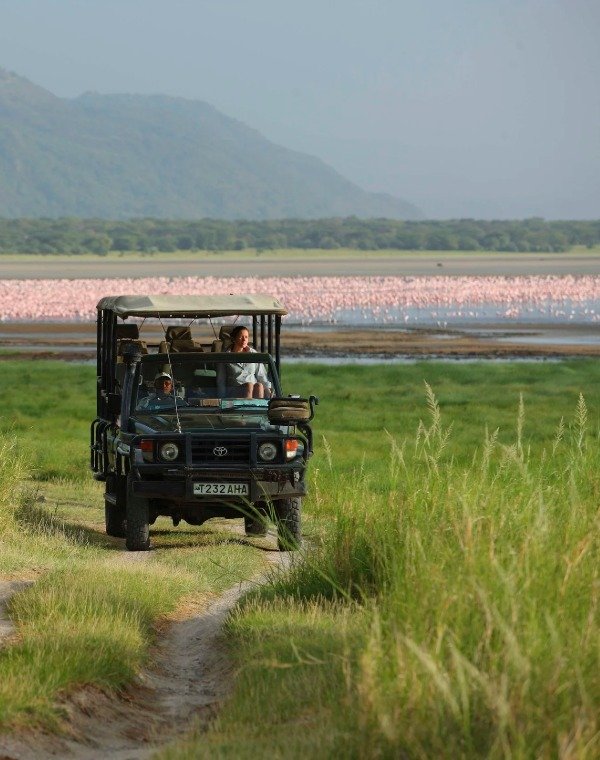
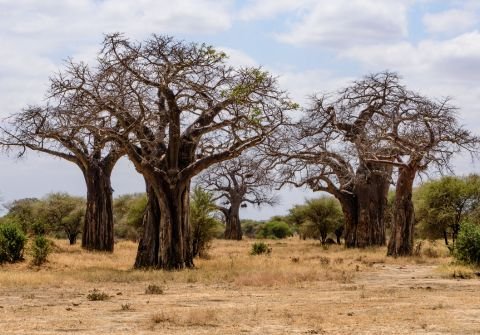
Drive to Tarangire for an afternoon game drive along the river corridor and baobab woodland. This first park adds elephants and a distinct ecosystem before the migration-focused section. Continue to Karatu after the drive and settle into the highlands.
Today is designed around Tarangire’s different habitats. The guide reads road and weather conditions before deciding whether to focus first on the river corridor, the woodlands or the seasonal wetlands. This flexibility matters because animals move as water and grazing conditions change.
There is time for observation rather than simply collecting sightings. The guide explains behaviour, tracks and the relationship between the park’s vegetation and wildlife, then chooses a sensible late-afternoon exit so dinner and the following morning’s departure are not compromised.
Lunch, park-entry timing and the final transfer are coordinated as one plan. The guide explains any change as it occurs and protects the most valuable part of the day, while avoiding a rushed drive or an arrival after the lodge’s normal service time.
Movement Karatu to crater entry about 30 to 45 minutes
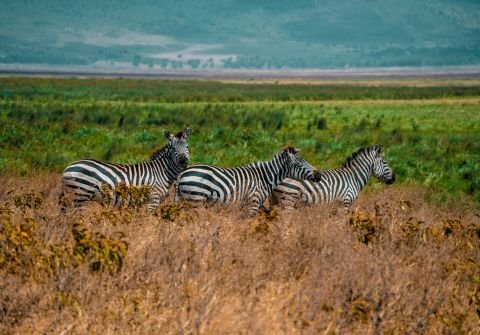
Descend early into Ngorongoro Crater and explore for five to six hours. Move between the open floor, forest edge and wetland areas, stopping for a picnic lunch. Ascend in the afternoon and overnight near the conservation area, ready for the Serengeti route.
An early departure protects useful time on the crater floor. Temperatures, mist on the rim and the condition of the descent road can all influence the morning, so the guide keeps the sequence flexible while ensuring the main habitat areas are covered.
Stops are long enough to watch behaviour and photograph without blocking other vehicles. After lunch and the final circuit, the guide begins the ascent at the agreed time. The evening location is chosen to balance rest with the next day’s route.
Movement About 3.5 to 4.5 hours excluding wildlife stops
Cross the conservation area and enter Serengeti at Naabi Hill. Continue toward the central region by game-drive pace, with lunch carried in the vehicle. Central Serengeti provides reliable resident wildlife and a useful base before moving toward the seasonal concentration.
Today provides the time needed to understand the central plains rather than simply pass through them. The guide reads tracks, listens to radio reports responsibly and uses experience to decide when to wait, when to reposition and when to explore a different habitat.
The schedule can be a continuous picnic circuit or separate morning and afternoon drives. This choice is discussed with the guest and adjusted for weather, energy and current wildlife, with the final return to camp planned before darkness.
Lunch, park-entry timing and the final transfer are coordinated as one plan. The guide explains any change as it occurs and protects the most valuable part of the day, while avoiding a rushed drive or an arrival after the lodge’s normal service time.
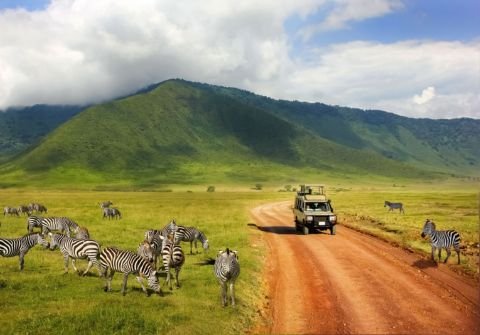
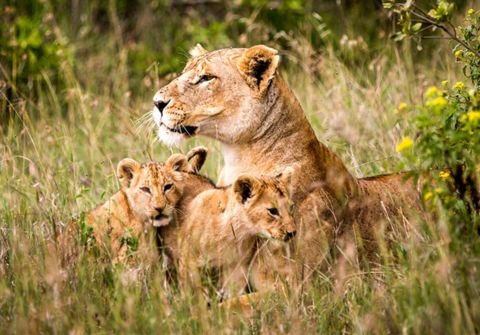
Movement Flexible local game drives
Spend a full day around Seronera, its river valleys and kopjes. The guide uses current sightings to plan the circuit and explains how rainfall and fresh grass influence the wider migration. Return to camp for lunch or remain out with a picnic.
Today provides the time needed to understand the central plains rather than simply pass through them. The guide reads tracks, listens to radio reports responsibly and uses experience to decide when to wait, when to reposition and when to explore a different habitat.
The schedule can be a continuous picnic circuit or separate morning and afternoon drives. This choice is discussed with the guest and adjusted for weather, energy and current wildlife, with the final return to camp planned before darkness.
Lunch, park-entry timing and the final transfer are coordinated as one plan. The guide explains any change as it occurs and protects the most valuable part of the day, while avoiding a rushed drive or an arrival after the lodge’s normal service time.
Movement Driving time ranges from 2 to 5 hours according to the selected region
Travel toward the Serengeti region best matched to the month. This may be Ndutu, the western corridor or Northern Serengeti. The transfer remains a wildlife day with a picnic lunch and planned stops. Accommodation is selected only after the seasonal route is confirmed.
This full day gives the seasonal region enough time to work. The guide uses direct observation and trusted local information to decide whether to stay with a productive area, follow developing movement or explore a quieter habitat away from the main concentrations.
The itinerary promises skilled tracking and appropriate seasonal positioning, not a specific crossing or hunt. A flexible lunch plan protects useful field time while the private vehicle allows patient stops when behaviour becomes interesting.
Migration routing is reviewed against the month of travel and the most recent reliable field reports. The region and camp are selected for a strong seasonal position, while individual crossings, births and hunts remain unscripted natural events.
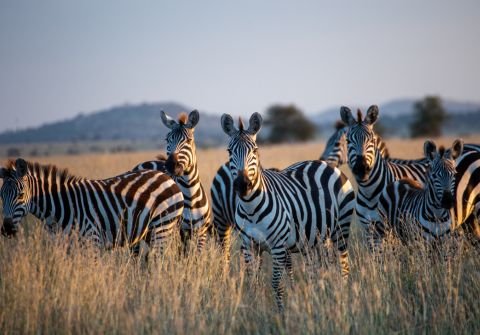
Movement Flexible local game drives
Begin early and follow the day’s animal movement with a private guide. The objective is to understand the wider ecosystem and spend time with the most active area, not to promise a crossing, birth or hunt. The schedule can include a long picnic circuit or a split morning and afternoon drive.
This full day gives the seasonal region enough time to work. The guide uses direct observation and trusted local information to decide whether to stay with a productive area, follow developing movement or explore a quieter habitat away from the main concentrations.
The itinerary promises skilled tracking and appropriate seasonal positioning, not a specific crossing or hunt. A flexible lunch plan protects useful field time while the private vehicle allows patient stops when behaviour becomes interesting.
Migration routing is reviewed against the month of travel and the most recent reliable field reports. The region and camp are selected for a strong seasonal position, while individual crossings, births and hunts remain unscripted natural events.
Movement Flexible local game drives
Use a second full day to explore another sector or return to a productive area under different light and conditions. The guide monitors road access and wildlife reports while respecting protected distances and park rules. This extra day is central to the package’s value.
This full day gives the seasonal region enough time to work. The guide uses direct observation and trusted local information to decide whether to stay with a productive area, follow developing movement or explore a quieter habitat away from the main concentrations.
The itinerary promises skilled tracking and appropriate seasonal positioning, not a specific crossing or hunt. A flexible lunch plan protects useful field time while the private vehicle allows patient stops when behaviour becomes interesting.
Migration routing is reviewed against the month of travel and the most recent reliable field reports. The region and camp are selected for a strong seasonal position, while individual crossings, births and hunts remain unscripted natural events.
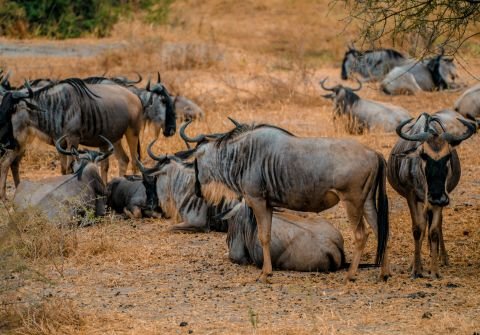
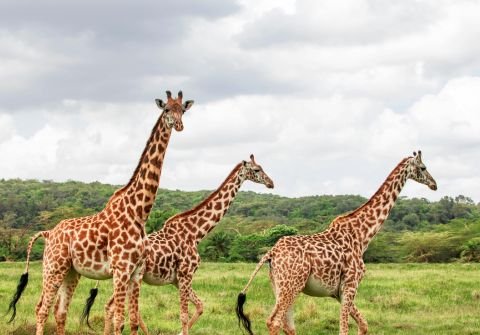
Movement Scheduled flight generally 1.5 to 3 hours including possible stops
Take a final game drive on the way to the operating airstrip and fly to Arusha. Continue to Kilimanjaro Airport or an Arusha hotel. A Zanzibar extension can be connected when schedules permit and should be priced separately unless included in the confirmed proposal.
Today’s flight is part of the safari logistics, not an assumed fixed timetable. Soft baggage, reporting time and possible intermediate landings are checked against the issued ticket.
The private vehicle remains available until the airstrip handover, and the next driver or guide meets the arriving aircraft. A sensible connection margin is maintained for any onward road journey or international departure.
Lunch, park-entry timing and the final transfer are coordinated as one plan. The guide explains any change as it occurs and protects the most valuable part of the day, while avoiding a rushed drive or an arrival after the lodge’s normal service time.
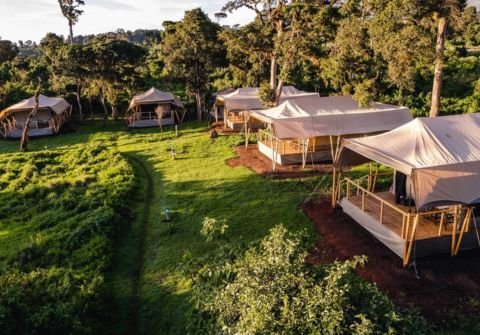
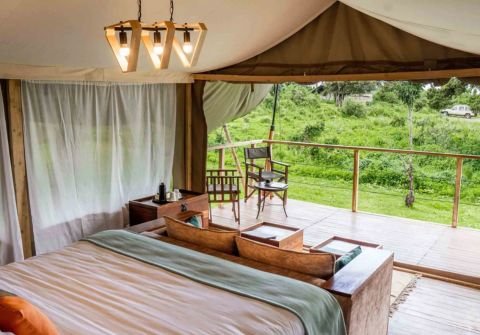
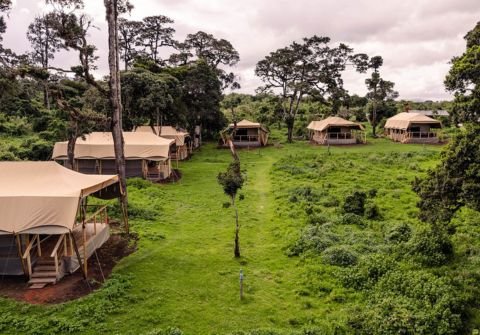
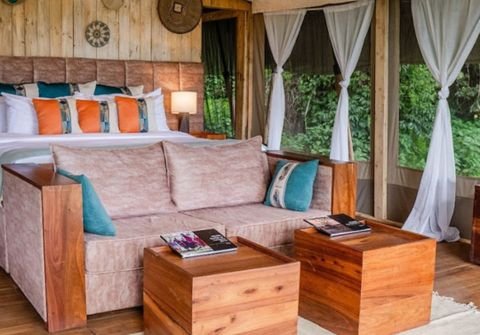
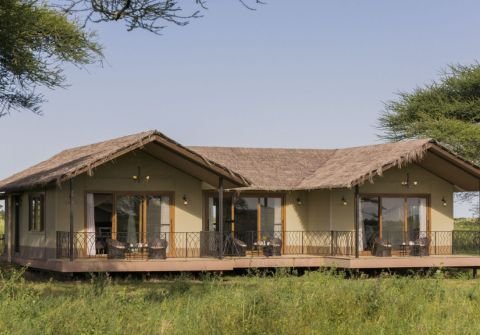
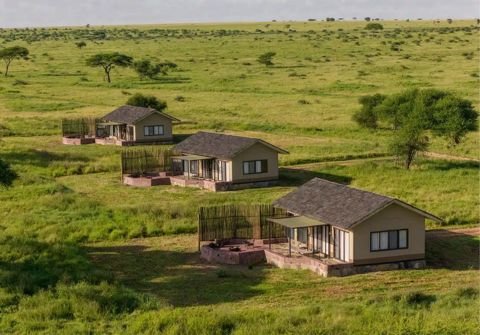
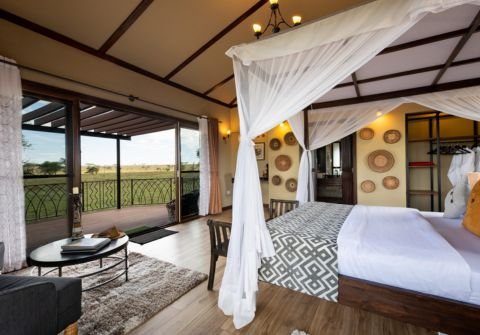
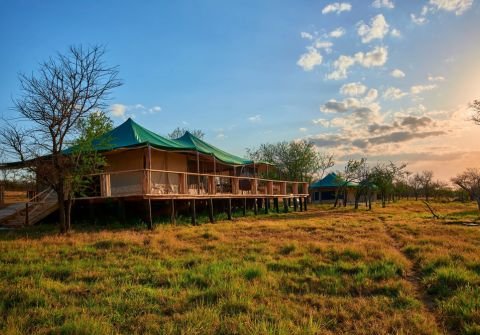
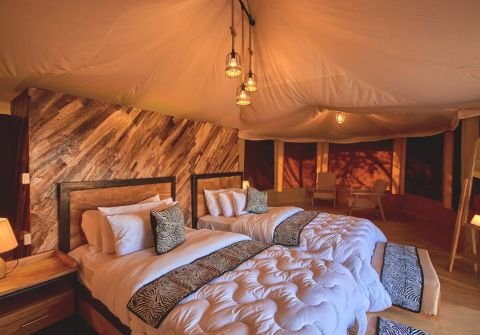
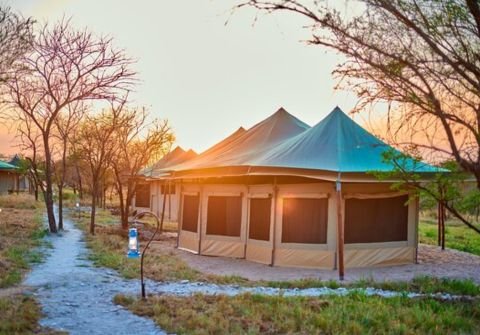
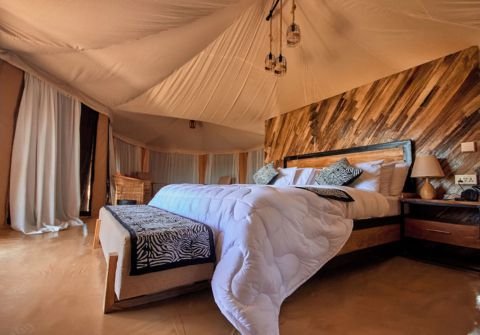
From Safari to Sleep
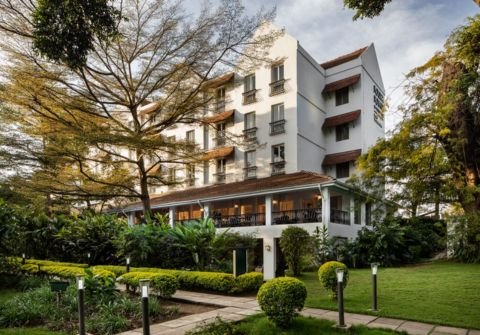
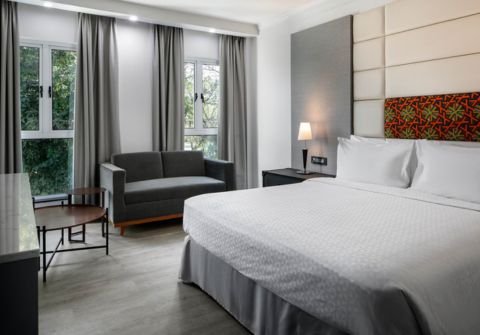
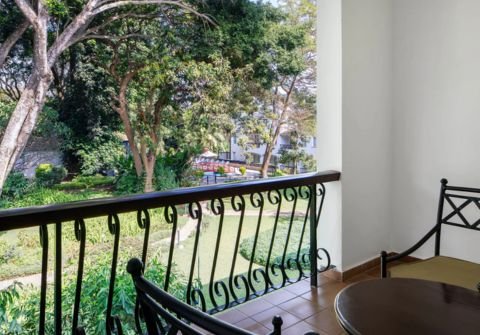
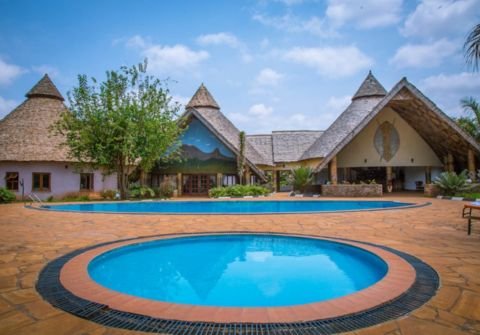
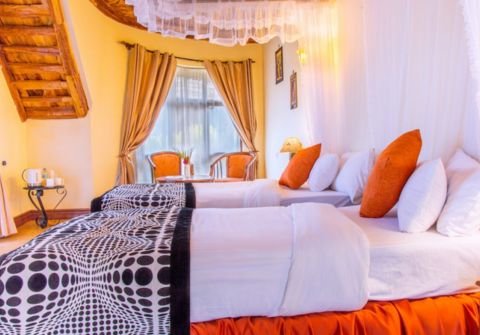
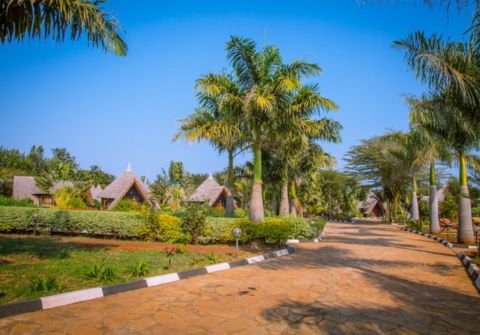
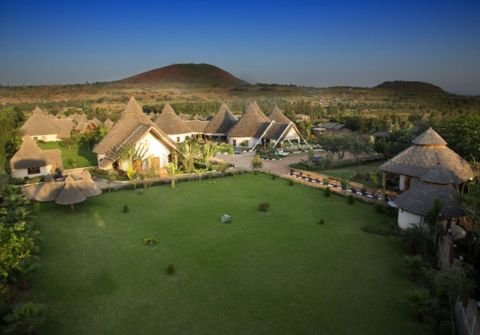
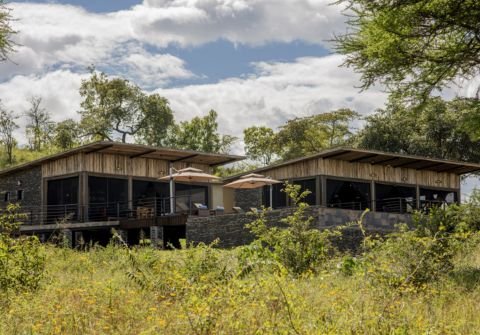
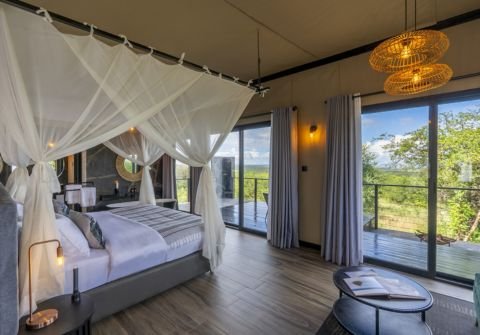
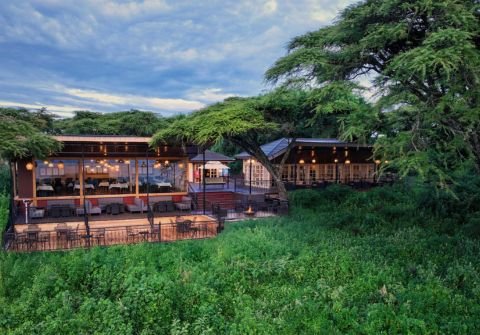
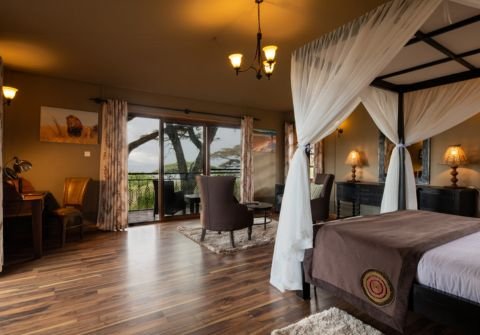
From
$9864.75 per person (sharing)
This depends on your interests and the length of your trip. Popular destinations include Serengeti National Park, Ngorongoro Crater, Tarangire National Park, and Lake Manyara National Park. Your safari can be designed around wildlife, landscapes, the Great Migration, cultural experiences, or a combination of these.
Yes. Tanzania can be an excellent destination for a family safari. Migsam Safaris can recommend suitable lodges, routes, safari durations, and activities based on the children’s ages and your family’s preferences.
For peak travel periods, luxury camps, and popular migration seasons, booking several months in advance is recommended. However, Migsam Safaris can also help plan trips with shorter lead times, subject to accommodation and vehicle availability.
OUR SAFARI COLLECTION
From
From
From
From