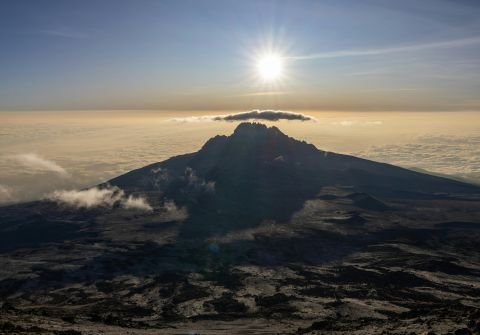
6 Days / 5 Nights
Mount Kilimanjaro
Mountain Hiking
Mountain adventure lover
$1,850 per person (sharing)
The Marangu Route is often called the “Coca-Cola Route”, is the classic gateway to Kilimanjaro. As the oldest and most established trail, it offers a unique blend of affordability, comfort, and tradition. Unlike other routes, Marangu provides hut accommodation — making it the perfect choice for climbers who want to experience Africa’s highest peak without camping.
Most itineraries cover the climb in five days, but if you truly want to maximize your chances of standing on the roof of Africa, adding a sixth day is the smartest choice you can make.
On the fourth day, you’ll stay an extra night at the Horombo Huts, nestled high on the slopes of Kilimanjaro. This pause isn’t just a rest — it’s an opportunity to take an acclimatization hike to higher elevations before returning to the huts. By giving your body time to adjust to the thin air, you’ll dramatically increase your odds of reaching Uhuru Peak, the summit at 5,895 meters.
Think of it as an investment in success: one more day of breathtaking views, camaraderie with fellow climbers, and the thrill of preparing for the final push. That extra day transforms the climb from a test of endurance into a truly unforgettable adventure.
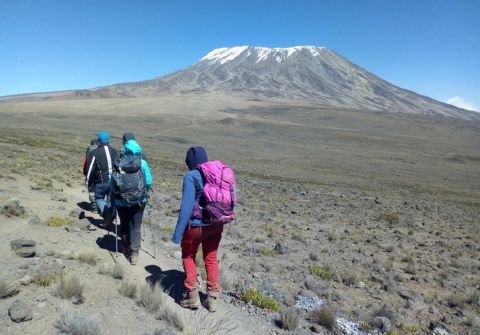
SIGNATURE EXPERIENCES
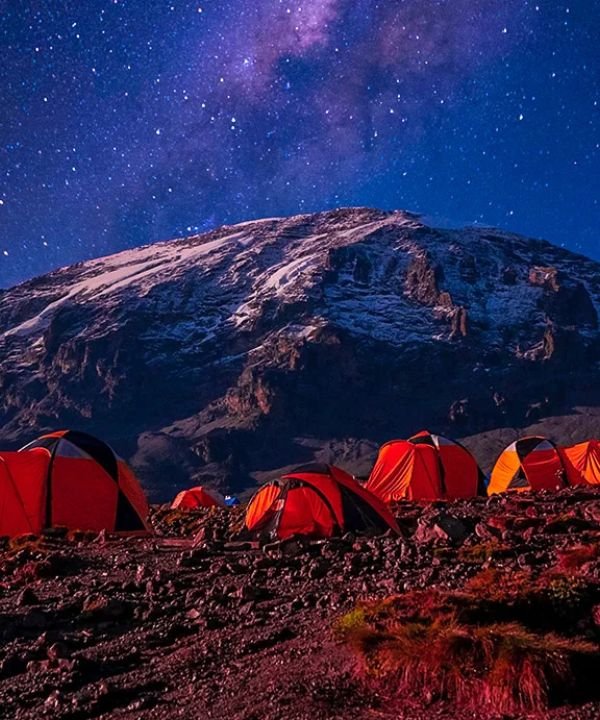
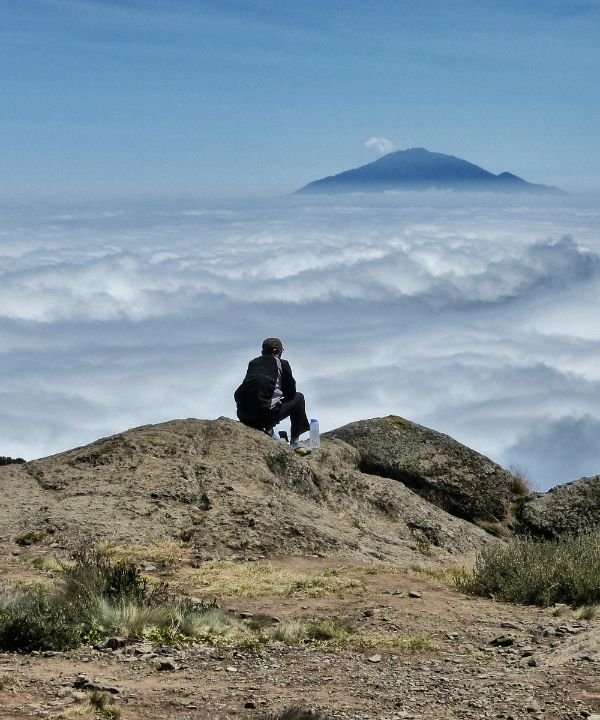
Every journey is crafted around unforgettable treks, camping, and authentic African adventures.
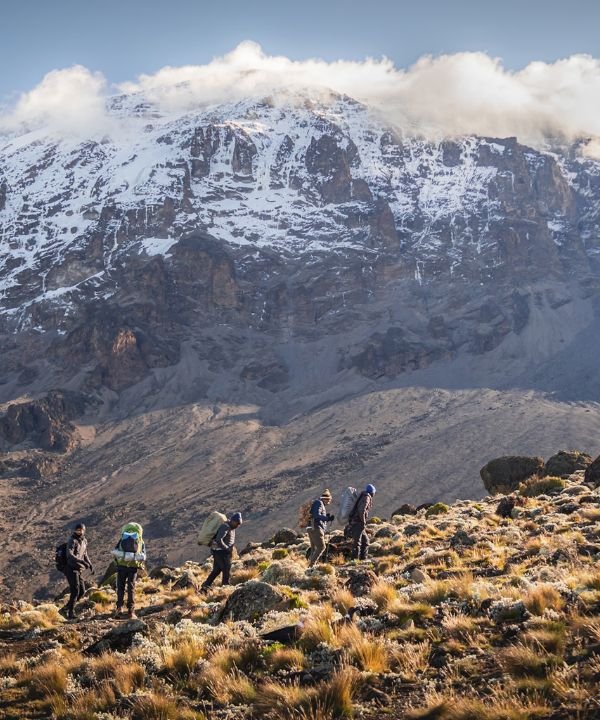
A DAY-BY-DAY ITINERARY
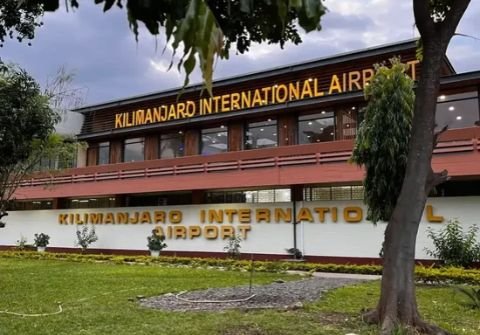
Upon arrival at Kilimanjaro International Airport, our team will meet you and transfer you to your hotel in Moshi (900m / 2,953ft). After checkin, you’ll have time to relax and recover from your journey. The hotel will provide all the essentials for a comfortable stay: cozy rooms, hot water, polite staff, a swimming pool, and Internet access. In the evening, meet your mountain guide for a detailed briefing covering the trek itinerary, altitude awareness, and safety procedures. This is also when your gear will be checked to ensure everything is suitable for the climb. Dinner is on your own, but breakfast is included the next morning.
After breakfast, drive to Marangu Gate (1,860m / 6,102ft) for registration. The trek begins through lush rainforest, alive with monkeys, birds, and towering trees. The trail is well‑maintained but can be muddy and slippery, so trekking poles are useful. As you ascend, the forest canopy thickens, and the air becomes cooler. By late afternoon, you reach Mandara Hut (2,700m / 8,858ft), a cluster of wooden huts nestled in the forest. Dinner is served, and you rest overnight, listening to the sounds of the rainforest.
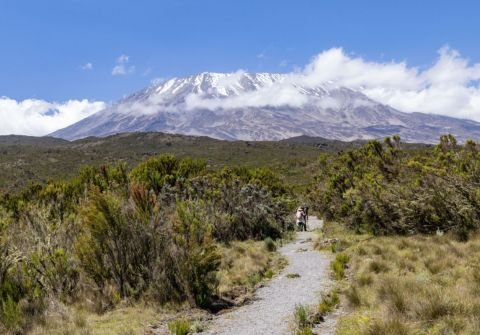
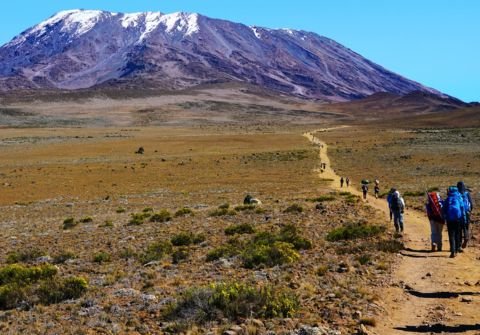
After breakfast, continue trekking through the last stretches of rainforest before entering heath and moorland. The vegetation changes dramatically, with giant lobelias and senecios marking the trail. The climb is steady, and as you gain altitude, views of Mawenzi Peak and Kibo Peak open up. The air is thinner, and the pace slows, but the scenery is spectacular. By afternoon, you arrive at Horombo Hut (3,720m / 12,205ft), located on a broad plateau. This camp offers stunning sunsets and a chance to acclimatize further.
After breakfast, the trek continues upward into alpine desert. The trail is wide and gradual, but the altitude makes progress slower. Vegetation becomes sparse, and the landscape feels stark and dramatic. Along the way, you’ll enjoy views of Mawenzi Peak to the east and the looming Kibo cone ahead. By early afternoon, you arrive at Kibo Hut (4,703m / 15,430ft), a stone hut that serves as the base camp for summit attempts. Dinner is early, and you rest to prepare for the midnight climb.
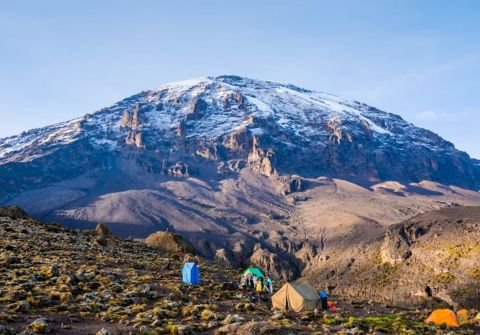
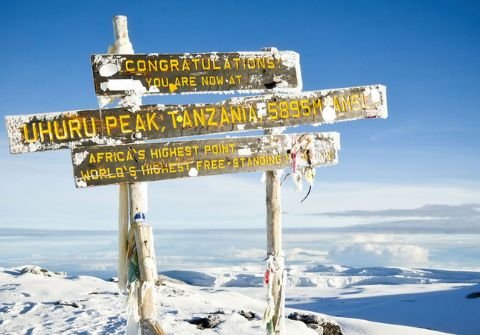
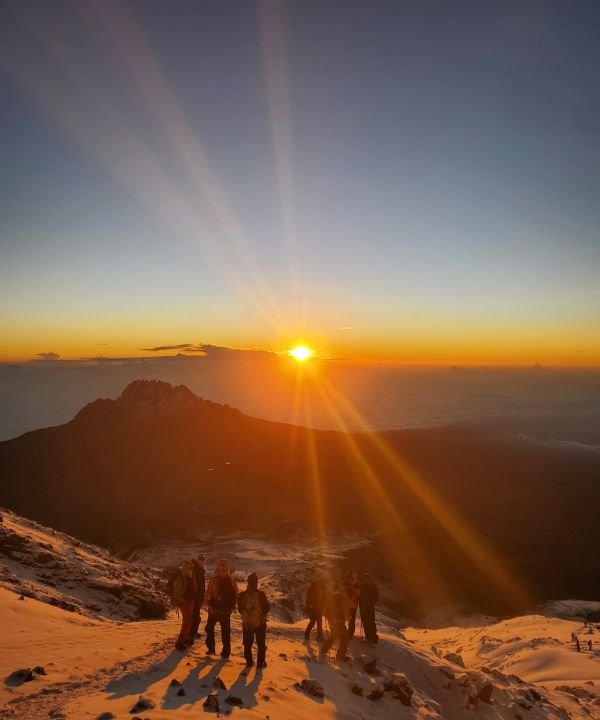
Around midnight, after a light meal, begin the summit push. The climb to Gilman’s Point (5,681m / 18,638ft) is steep and grueling, often on loose scree. From there, continue along the crater rim to Uhuru Peak (5,895m / 19,341ft), the highest point in Africa. The sunrise from the summit is unforgettable, with views stretching across Tanzania and Kenya. After celebrating, descend back to Kibo Hut for a short rest, then continue down to Horombo Hut (3,720m / 12,205ft). This is the most demanding day, but also the most rewarding.
After breakfast, make the final descent through heathland and rainforest to Marangu Gate (1,860m / 6,102ft). The trail is alive with bird calls and lush vegetation, a stark contrast to the barren summit. At the gate, you’ll receive your summit certificates, marking your achievement. From there, transfer back to Moshi for a hot shower, celebratory meal, and well‑deserved rest.
From
$1,850 per person (sharing)
Mount Kilimanjaro stands at 5,895 metres (19,341 feet) and is the highest mountain in Africa.
No. Kilimanjaro is a trekking mountain rather than a technical climb, so previous mountaineering experience is generally not required. Good fitness and preparation are important.
Most routes take around 5–8 days, depending on the route and itinerary. Longer itineraries generally provide more time for acclimatization.
Popular routes include Lemosho, Machame, Marangu, Rongai, Umbwe, Northern Circuit and Shira. Each offers a different combination of scenery, duration and acclimatization profile.
The main trekking seasons are generally January–March and June–October, when conditions are typically drier and clearer. Kilimanjaro can be climbed year-round, but weather conditions vary by season.