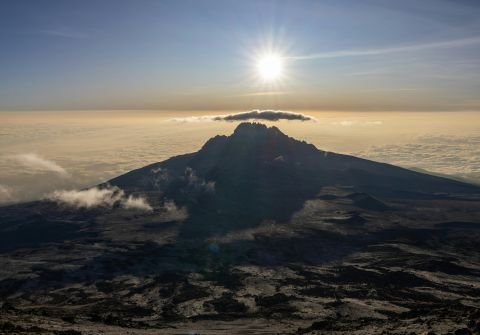
8 Days / 7 Nights
Mount Kilimanjaro
Mountain Hiking
Mountain adventure lover
$2,400 per person (sharing)
The Lemosho Route is widely regarded as the most beautiful trail on Mount Kilimanjaro. Beginning on the western side of the mountain, it offers a quiet and remote start before merging with the Machame Route near the Shira Plateau. With its longer duration and excellent acclimatization profile, Lemosho boasts one of the highest summit success rates. It is the perfect choice for trekkers who want a scenic, less crowded, and immersive wilderness experience.
Choosing Lemosho means embracing a route that balances beauty and success. Its remote western approach ensures fewer crowds at the beginning, allowing trekkers to enjoy pristine landscapes and wildlife encounters. The trail passes through lush rainforest, rolling moorland, and dramatic alpine desert, offering some of the most varied scenery on Kilimanjaro. With more days on the mountain, climbers benefit from gradual acclimatization, significantly increasing their chances of reaching Uhuru Peak.
SIGNATURE EXPERIENCES
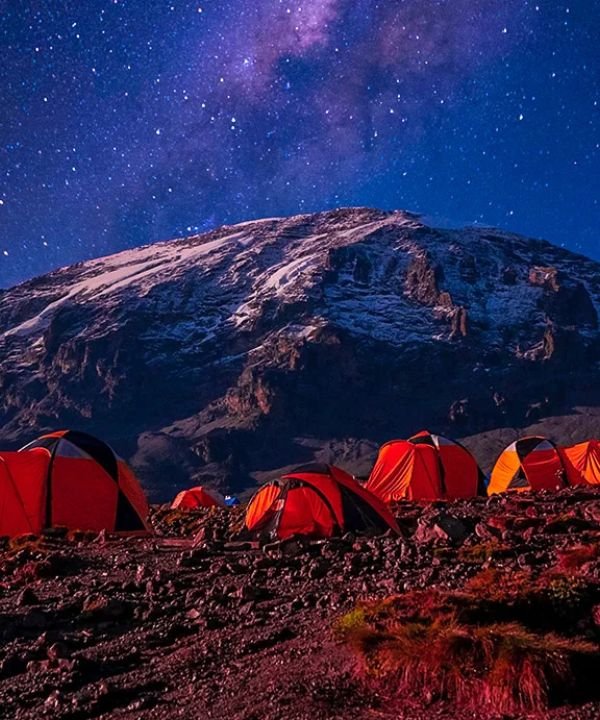
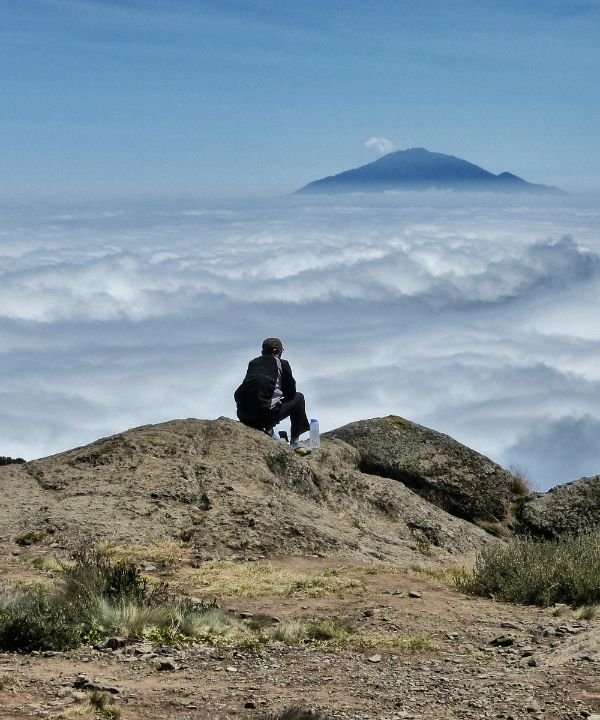
Every journey is crafted around unforgettable treks, camping, and authentic African adventures.
A DAY-BY-DAY ITINERARY
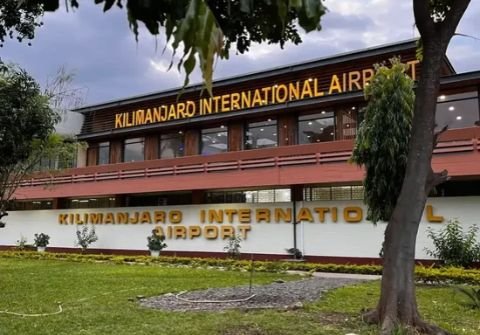
Upon arrival at Kilimanjaro International Airport, our team will meet you and transfer you to your hotel in Moshi (900m / 2,953ft). After checkin, you’ll have time to relax and recover from your journey. The hotel will provide all the essentials for a comfortable stay: cozy rooms, hot water, polite staff, a swimming pool, and Internet access. In the evening, meet your mountain guide for a detailed briefing covering the trek itinerary, altitude awareness, and safety procedures. This is also when your gear will be checked to ensure everything is suitable for the climb. Dinner is on your own, but breakfast is included the next morning.
After breakfast, drive to Londorossi Gate (2,100m / 6,889ft) for registration. The drive itself offers scenic views of farmland and rolling hills. Once at the trailhead, you begin trekking through lush rainforest filled with exotic birds and monkeys. The air is humid, and the trail is alive with sounds of nature. By late afternoon, you’ll arrive at Mti Mkubwa Camp (2,650m / 8,694ft), nestled among giant heather trees. This first night on the mountain helps your body begin acclimatization.
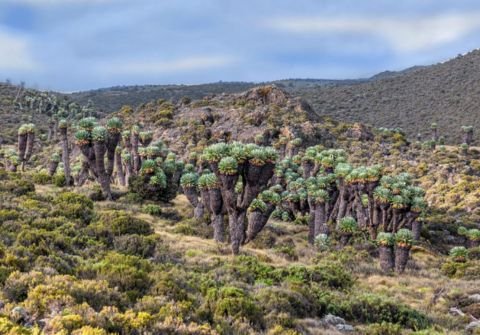
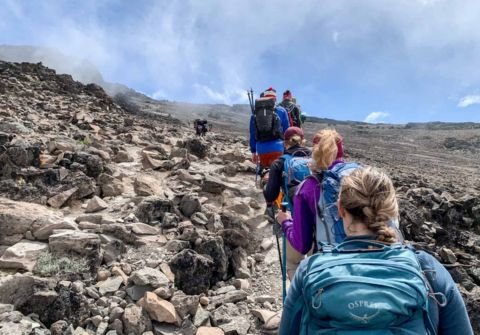
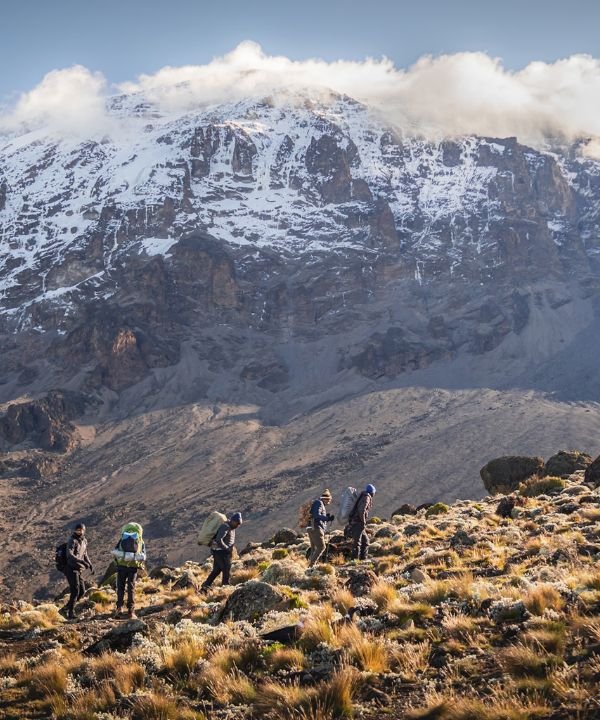
After breakfast, you set out across the Shira Plateau, a vast expanse of highaltitude desert that feels almost lunar in its starkness. The trail is relatively gentle, but the altitude begins to make itself felt, so a slow and steady pace is essential. Along the way, you’ll enjoy sweeping views of Kibo Peak, Kilimanjaro’s central cone, and the surrounding valleys. Wildlife such as antelope may occasionally be spotted grazing in the distance, and the unique vegetation of giant lobelias and senecios adds to the surreal landscape. By afternoon, you arrive at Shira 2 Camp (3,850m / 12,631ft), where the views are spectacular and the camp provides a perfect spot to rest and acclimatize.
After breakfast, you begin one of the most important acclimatization stages of the trek. The trail ascends steadily toward Lava Tower (4,600m / 15,092ft), a striking volcanic formation that rises dramatically from the alpine desert. The climb is challenging, as oxygen levels decrease and the terrain becomes more barren, but the effort is rewarded with incredible views of Kilimanjaro’s glaciers and rugged landscape. Lunch is often taken near Lava Tower, giving you time to rest at high altitude. In the afternoon, you descend to Barranco Camp (3,900m / 12,795ft), following the “climb high, sleep low” strategy that helps your body adjust to altitude. Barranco Camp sits in a spectacular valley beneath the imposing Barranco Wall.
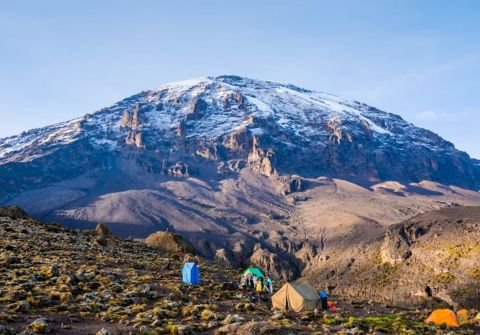
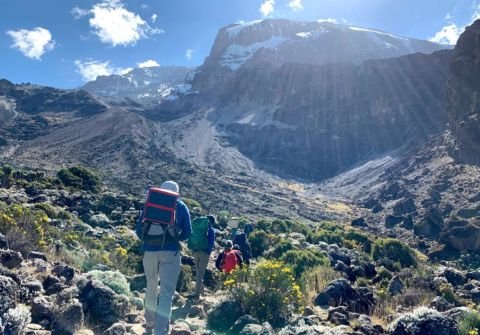
After breakfast, the day begins with the famous Barranco Wall, a steep but exhilarating climb that requires some scrambling and careful footing. Though intimidating at first glance, the wall is manageable and often becomes one of the most memorable highlights of the trek. As you ascend, the views open dramatically, revealing glaciers clinging to the upper slopes and sweeping vistas of the valleys below. Once at the top, the trail continues through a series of ridges and valleys, offering alternating ascents and descents that test endurance but reward with stunning scenery. By afternoon, you reach Karanga Camp (3,995m / 13,107ft), where you can rest and prepare for the higher altitudes ahead.
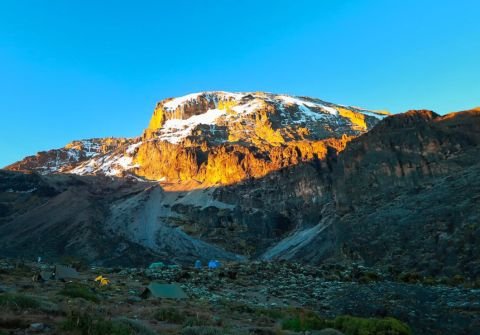
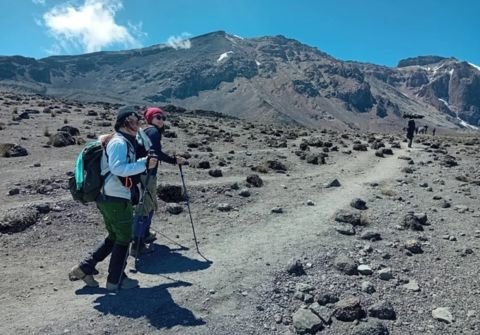
After breakfast, you set out on a shorter but very important trek through the stark alpine desert. The trail climbs steadily, with little vegetation and an increasingly rugged landscape. The air is thinner here, and the sun can feel intense, so pacing yourself and staying hydrated is crucial. As you ascend, views of Mawenzi Peak and the southern glaciers of Kibo become more dramatic, reminding you of the scale of the mountain. By early afternoon, you arrive at Barafu Camp (4,673m / 15,331ft), perched on a rocky ridge. Barafu, meaning “ice” in Swahili, serves as the base camp for summit attempts. Here you’ll rest, prepare gear, and mentally focus for the midnight climb to the summit.
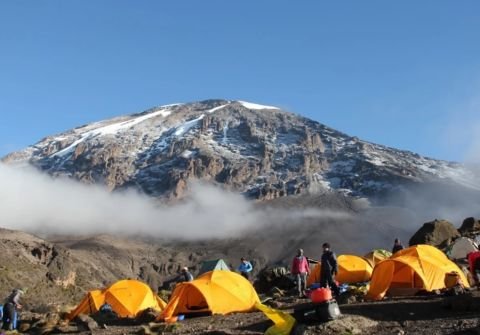
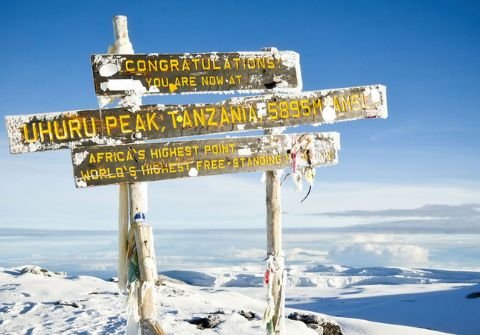
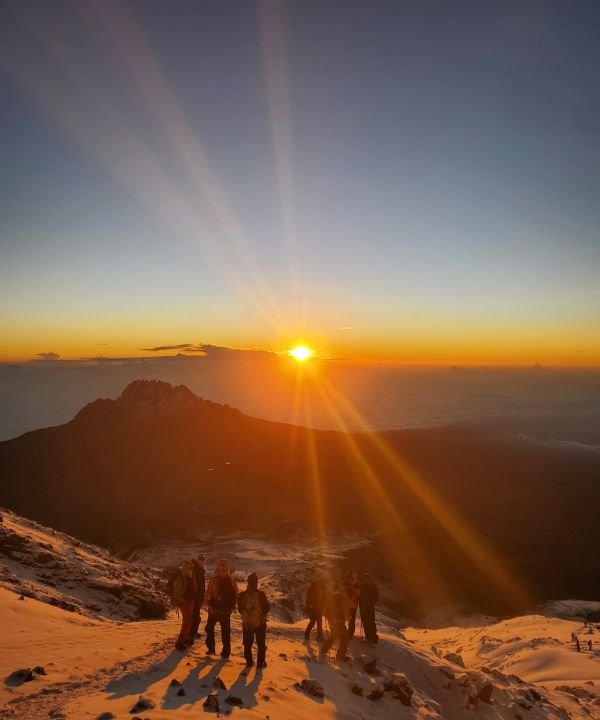
Around midnight, after a light meal and final preparations, you begin the summit push under a sky filled with stars. The climb is steep and grueling, with cold temperatures and thin air making each step a challenge. Slowly, you ascend toward Stella Point (5,739m / 18,829ft), where the first rays of dawn often paint the horizon in breathtaking colors. From Stella Point, the trail continues along the crater rim to Uhuru Peak (5,895m / 19,341ft), the highest point in Africa. After celebrating and taking photos at the summit, you begin the long descent, passing Kibo Hut before continuing down to Mweka Camp (3,100m / 10,171ft), where you’ll rest after one of the most demanding and rewarding days of the trek.
After breakfast, make the final descent through rainforest to Mweka Gate (1,640m / 5,380ft). The trail is alive with bird calls and lush vegetation, a stark contrast to the barren summit. At the gate, you’ll receive your summit certificates, marking your achievement. From there, transfer back to Moshi for a hot shower, celebratory meal, and welldeserved rest.
From
$2,400 per person (sharing)
Mount Kilimanjaro stands at 5,895 metres (19,341 feet) and is the highest mountain in Africa.
No. Kilimanjaro is a trekking mountain rather than a technical climb, so previous mountaineering experience is generally not required. Good fitness and preparation are important.
Most routes take around 5–8 days, depending on the route and itinerary. Longer itineraries generally provide more time for acclimatization.
Popular routes include Lemosho, Machame, Marangu, Rongai, Umbwe, Northern Circuit and Shira. Each offers a different combination of scenery, duration and acclimatization profile.
The main trekking seasons are generally January–March and June–October, when conditions are typically drier and clearer. Kilimanjaro can be climbed year-round, but weather conditions vary by season.